Reptifit breeds various morphs of the Western Hognose Snake (Heterodon nasicus nasicus). On this page you will find a selection of the morphs from our collection. You can click on one or more buttons below to filter by specific morphs. When a button turns orange, the corresponding filter is active. While many genetic combinations are theoretically possible, not all combinations are currently represented in our collection.

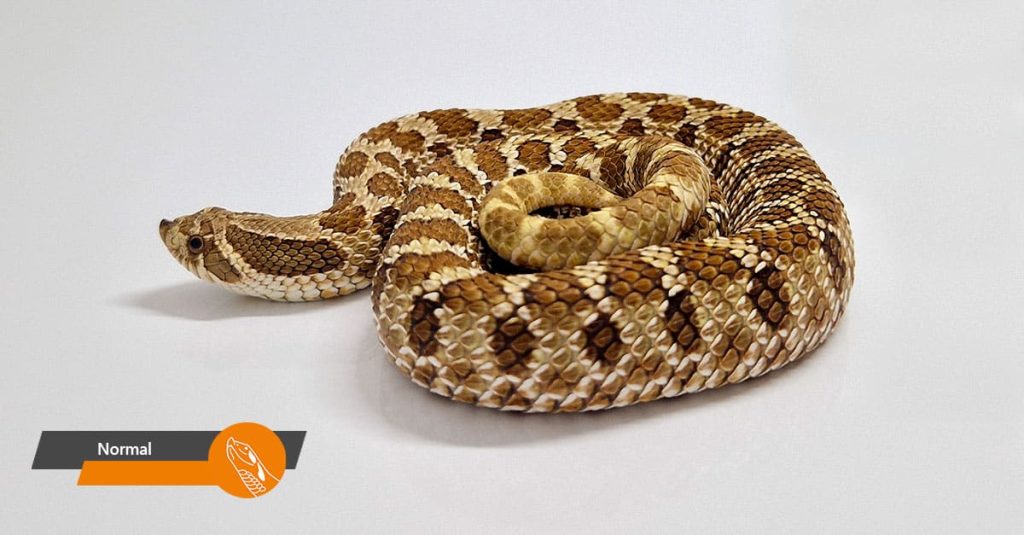
Normal

Normal, also referred to as wild type, is the most common morph of the western hognose snake. This morph displays a wide variation in colouration, including brown-yellow, brown-green and brown-red tones. The belly is typically black or black with brown, yellow or occasionally orange markings. The pattern usually consists of larger dorsal blotches with smaller lateral markings along the sides. Individual specimens can vary considerably in contrast and colour intensity. This morph forms the foundation for many combinations within the hobby and is regularly used in breeding projects involving western hognose snakes.
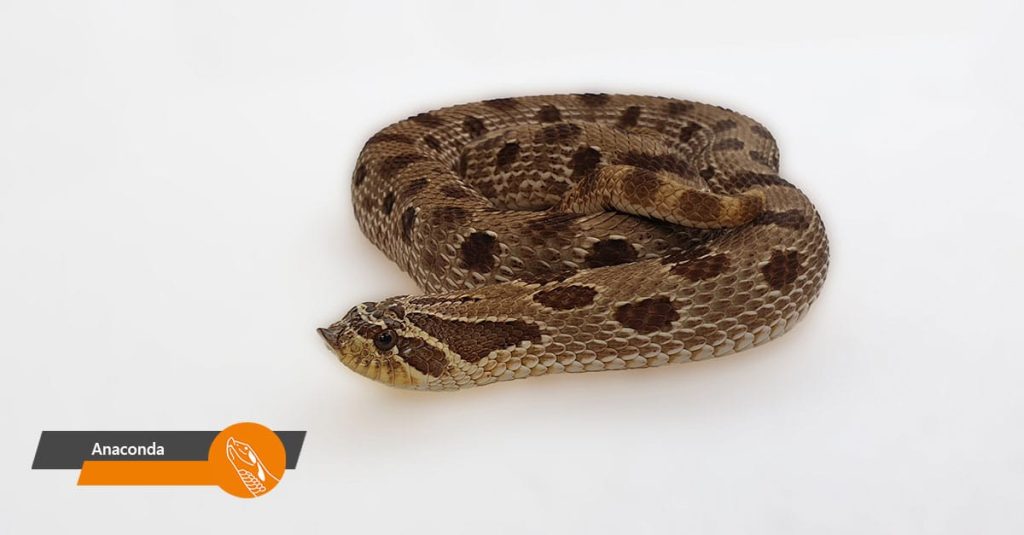
Anaconda

Anaconda is a heterozygous incomplete dominant mutation that affects the pattern of the western hognose snake. In this mutation, many dorsal saddles connect with each other while the lateral pattern is largely reduced. The belly is typically plain, completely black. Due to the reduced amount of pattern, the overall pattern distribution appears more open than in a Normal morph. When two Anaconda animals are combined, the homozygous incomplete dominant Superconda mutation is produced. The name refers to the similarity in pattern structure to the anaconda snake. This mutation is commonly used in combinations because of its pattern-reducing effect.

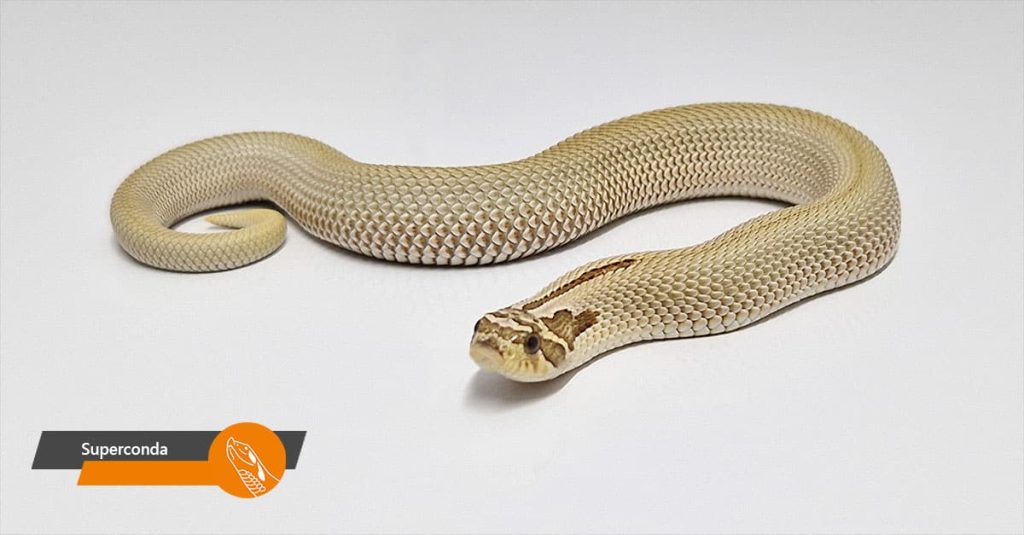
Superconda

Superconda is a homozygous incomplete dominant mutation that strongly affects the pattern of the western hognose snake. This mutation produces an almost patternless snake, usually retaining only a visible head pattern. The belly is generally solid black. The absence of dorsal pattern creates a very clean appearance. Superconda is produced by pairing two anaconda animals together. Although the back is generally patternless, the amount of remaining markings can vary slightly between specimens. This mutation is frequently used in combination projects where reduced dorsal pattern is desired.

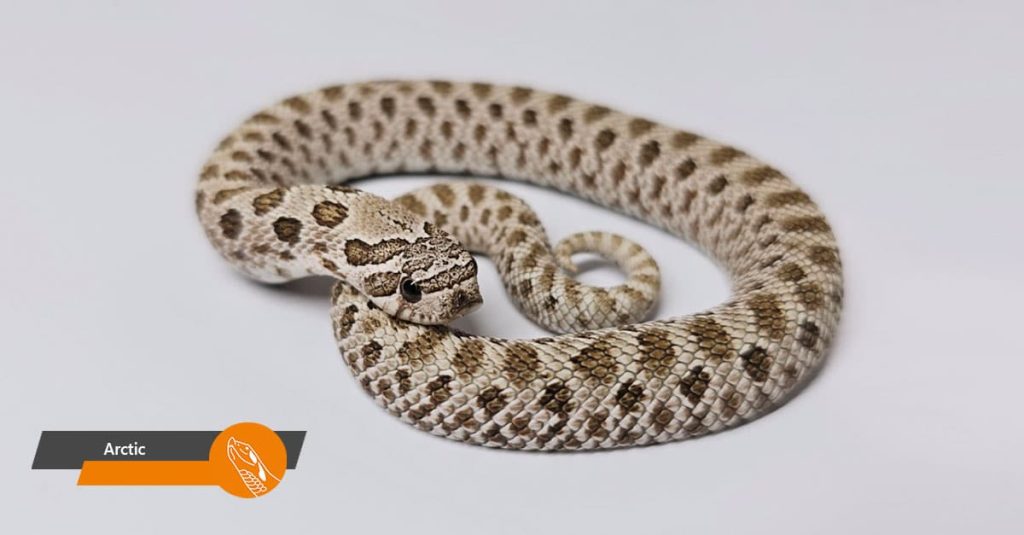
Arctic

Arctic is a heterozygous incomplete dominant mutation. This morph is recognised for the black or white outlining around the dorsal blotches and the visible eyebrow markings above the eyes. As the animal sheds over time, the overall background colour usually becomes lighter. The mutation affects both contrast and pattern expression and is therefore commonly combined with other morphs. The outlining around the pattern creates a clearly defined appearance. When two Arctic mutations are combined, the homozygous Superarctic form is produced. Arctic is recognised by its increased contrast, visible eyebrows and lighter background colour compared to standard animals.
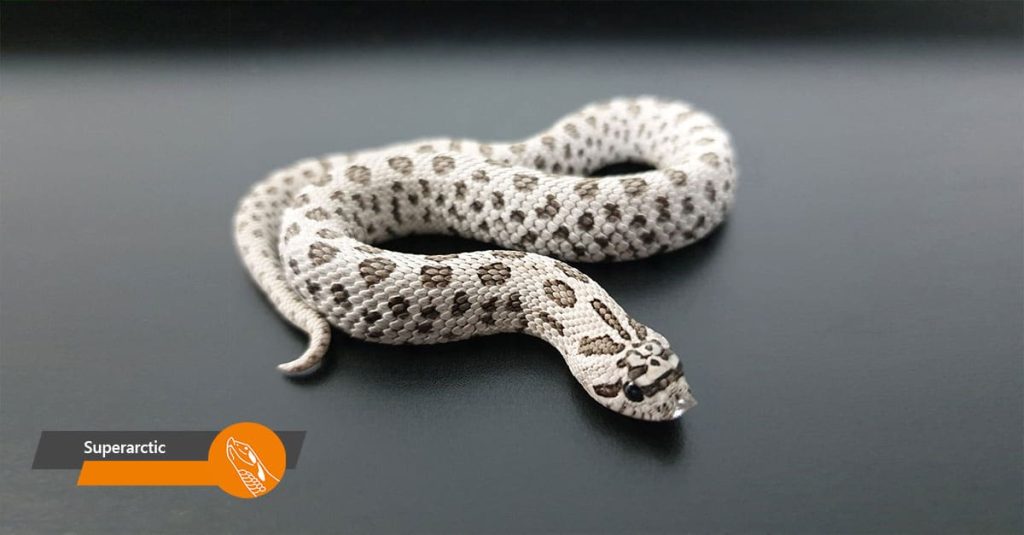
Superarctic

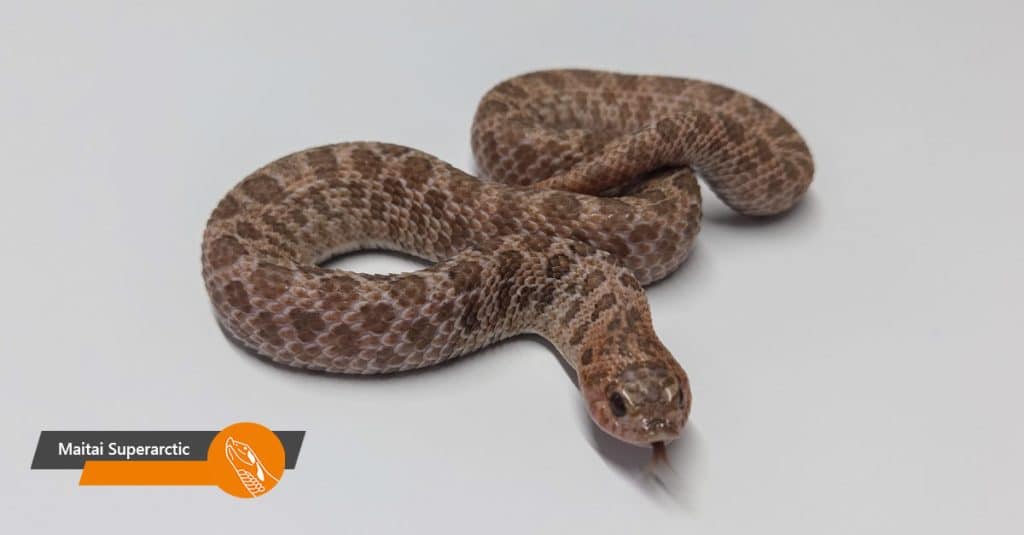
Superarctic is an homozygous incomplete dominant mutation in the pattern and color of the snake. Superarctic stimulates melanin and reduces other pigments, specifically the background pigment. The mutation is recognised by its white background with pink or tan skin and brown to gray blotches with big concentrations of melanin. Superarctics have a reduced head pattern. With each shed they become lighter in color. When they get out of the eggs, they look nearly fully black. After a couple of sheds they look as in the picture. When you breed two heterozygous incomplete dominant arctic snakes, you will get the superarctic morph.

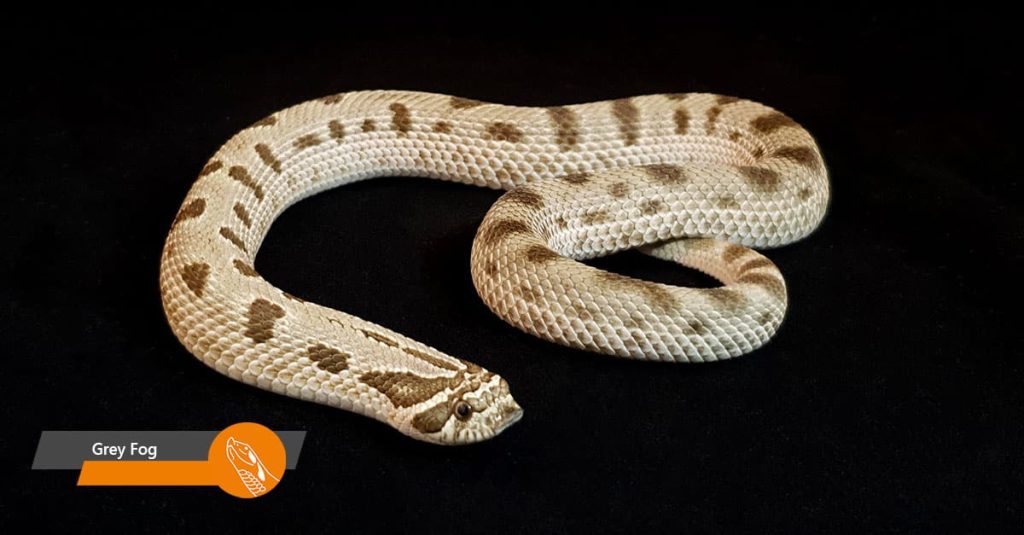
Grey Fog

Grey Fog is a combination of the heterozygous incomplete dominant Arctic mutation and the heterozygous incomplete dominant Anaconda mutation. This combination displays a lighter overall colouration compared to a standard Anaconda. The Arctic mutation contributes lighter contrasts and can create white outlining around parts of the pattern. The Anaconda mutation reduces sections of the dorsal pattern, resulting in a more open appearance with reduced side patterning. The belly is typically plain, completely black. Grey Fog is recognised as a combination in which contrast between the background colour and pattern remains visible while the overall appearance is lighter than regular Anaconda combinations.

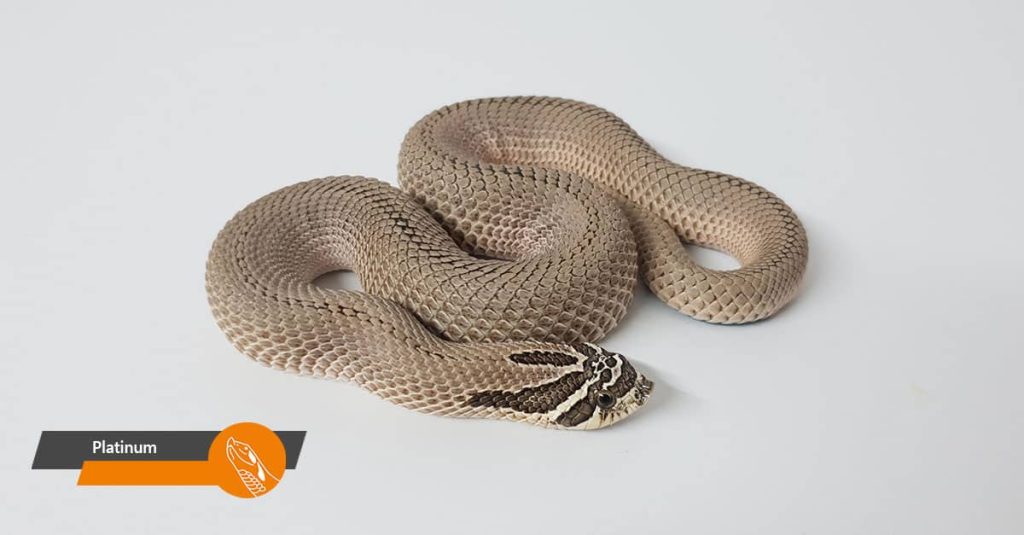
Platinum

The Arctic Superconda is a combination of the heterozygous incomplete dominant Arctic mutation and the homozygous incomplete dominant Superconda mutation. The Superconda mutation removes the dorsal pattern, while the Arctic influence can be recognised through its lighter appearance and contrasting head markings. Arctic animals are known for the dark borders around their pattern elements and their visible eyebrows. In an Arctic Superconda, the pattern is largely restricted to the head, while the body remains mostly patternless. This results in a morph with a clean overall appearance and a clear contrast between the remaining head pattern and the base colour.

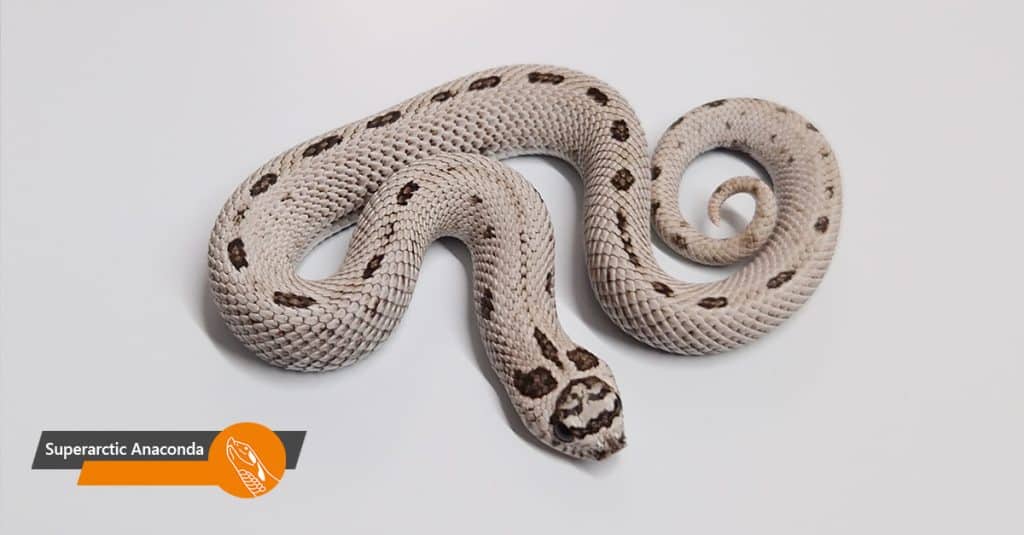
Superarctic Anaconda

Superarctic Anaconda is a combination of the homozygous incomplete dominant superarctic mutation and the heterozygous incomplete dominant anaconda mutation. This combination usually hatches very dark and changes noticeably in colour after the first sheds. The background develops into a white to light grey colour, while the pattern retains a high concentration of melanin. The anaconda mutation reduces the dorsal pattern, often resulting in arranged spots or a partially patternless back. The belly is generally solid black. Due to the influence of the superarctic mutation, the contrast between the background and pattern usually remains clearly visible.

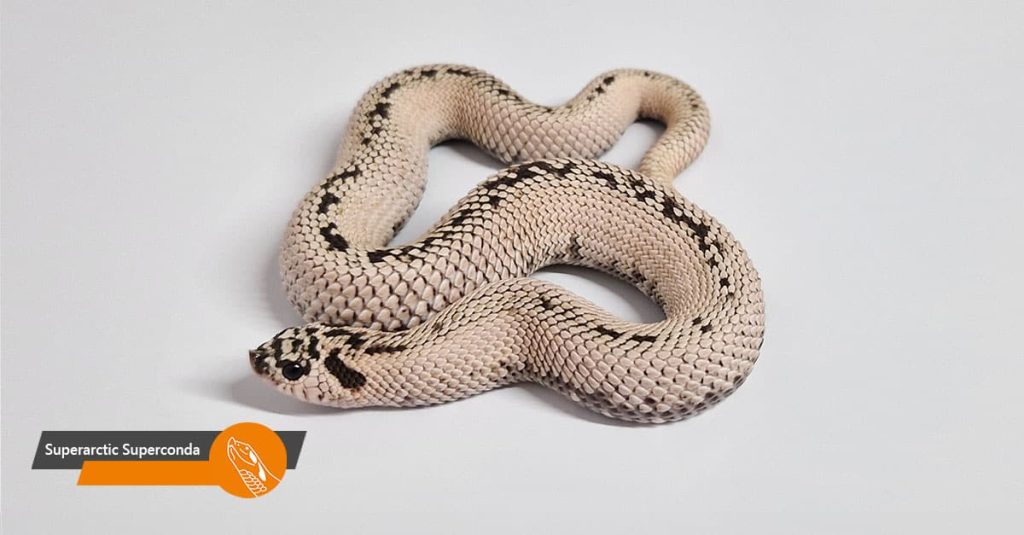
Superarctic Superconda

Superarctic Superconda is a combination of the homozygous incomplete dominant superarctic mutation and the homozygous incomplete dominant superconda mutation. This combination usually hatches very dark and changes significantly in colour during the first sheds. The background develops into a white to light grey colour, while the head pattern generally remains dark. Due to the superconda mutation, the dorsal pattern is mostly or completely absent. Some specimens display a continuous stripe along the back. The belly is generally solid black. The influence of the superarctic mutation creates a strong concentration of melanin in parts of the pattern and maintains clear contrast between the pattern and background.

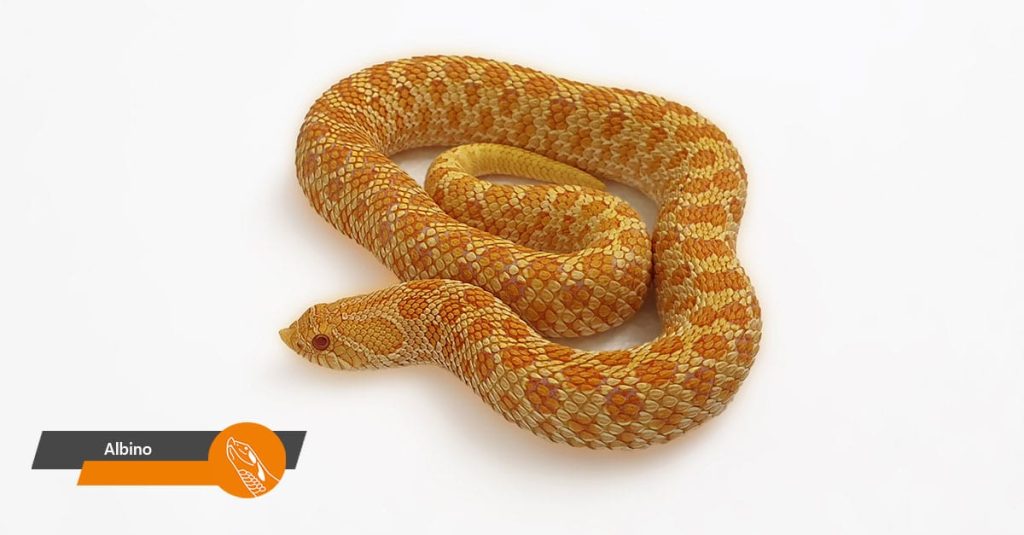
Albino

Albino is a recessive amelanistic mutation in which melanin is absent. Due to the absence of melanin, this mutation does not display dark brown or black pigmentation. Colouration typically ranges from red and orange to yellow tones. The eyes are red, which is a recognisable characteristic of this morph. The dorsal pattern remains visible but lacks black pigmentation. Colour intensity may vary between individual animals. Albino is frequently combined with other morphs because of its strong influence on pigment and contrast. This mutation is considered one of the best known western hognose morphs and is widely used in genetic combinations.

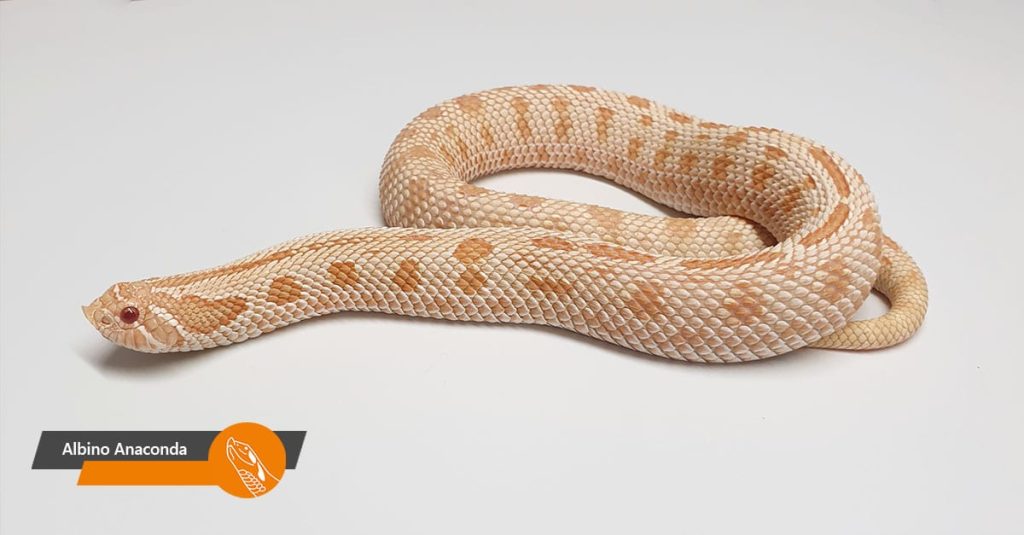
Albino Anaconda

Albino Anaconda is a combination of the recessive amelanistic Albino mutation and the heterozygous incomplete dominant Anaconda mutation. In this combination, melanin is absent, resulting in red, orange and yellow tones together with red eyes. The Anaconda mutation reduces the amount of dorsal and lateral pattern, allowing larger areas of the background colour to remain visible. This generally creates a more open pattern compared to a regular Albino. The dorsal markings are often connected or partially reduced. The combination retains the characteristic Albino colouration, while the influence of Anaconda is mainly visible in the distribution and amount of pattern.

Albino Superconda

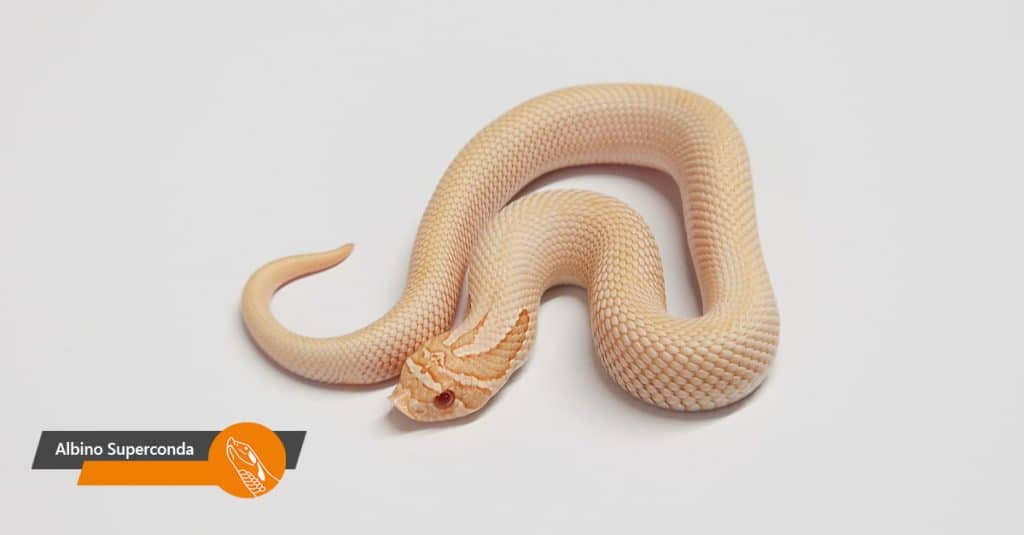
Albino Superconda is a combination of the recessive amelanistic Albino mutation and the homozygous incomplete dominant Superconda mutation. Due to the absence of melanin, this combination develops red, orange or yellow tones together with red eyes. The Superconda mutation removes nearly all dorsal pattern, resulting in mostly patternless dorsal scales. The head pattern generally remains visible. Compared to a regular Albino, this combination places more emphasis on the background colour than on the pattern itself. The belly is generally uniform in colour. The intensity of colour and contrast may vary between individual specimens.

Albino Arctic

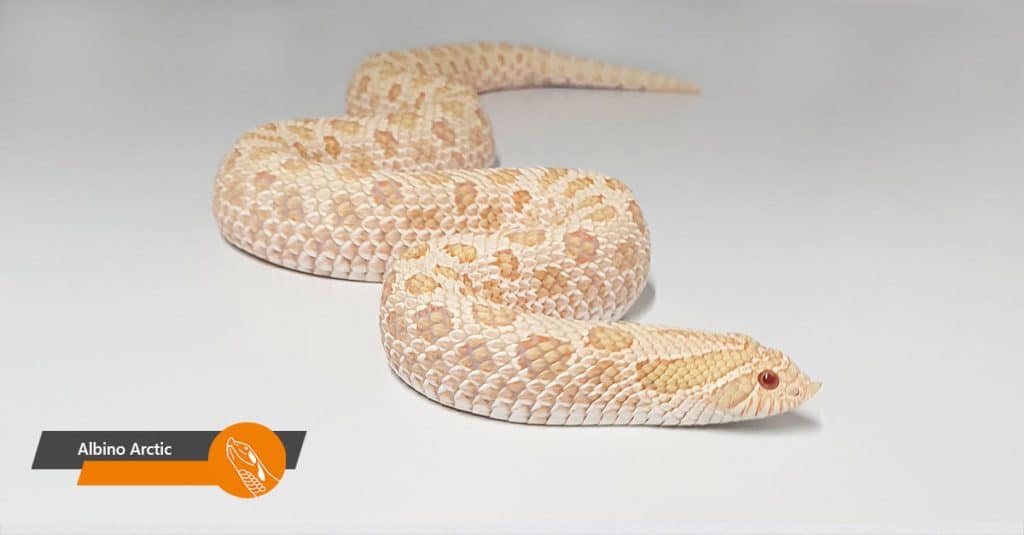
Albino Arctic is a combination of the recessive amelanistic Albino mutation and the heterozygous incomplete dominant Arctic mutation. Due to the absence of melanin, this combination develops red, orange and yellow tones together with red eyes. The Arctic mutation affects the contrast of the pattern and is recognised by the light outlining around the saddles and the visible eyebrow markings. Around the pattern, a darker pigment concentration is often visible, causing the saddles to appear more defined. The background colour is usually lighter compared to a regular Albino. Some specimens display yellow-green tones within the pattern. Contrast and colour intensity may vary between specimens.

Albino Arctic Anaconda

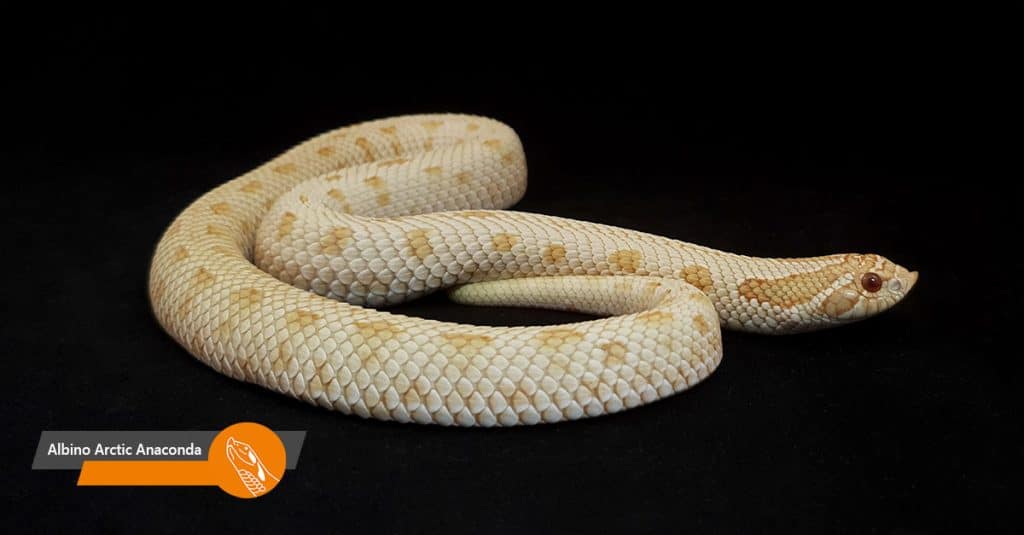
Albino Arctic Anaconda is a combination of the recessive amelanistic Albino mutation, the heterozygous incomplete dominant Arctic mutation and the heterozygous incomplete dominant Anaconda mutation. Due to the absence of melanin, red, orange and yellow tones develop together with red eyes. The Arctic mutation usually creates additional contrast around the saddles, light outlining of the pattern and visible eyebrow markings. The Anaconda mutation reduces the amount of dorsal and lateral pattern, allowing larger areas of the background colour to remain visible. This often gives the combination a lighter and more open appearance than a regular Albino Arctic. Colour, contrast and pattern distribution may vary between specimens.

Subzero

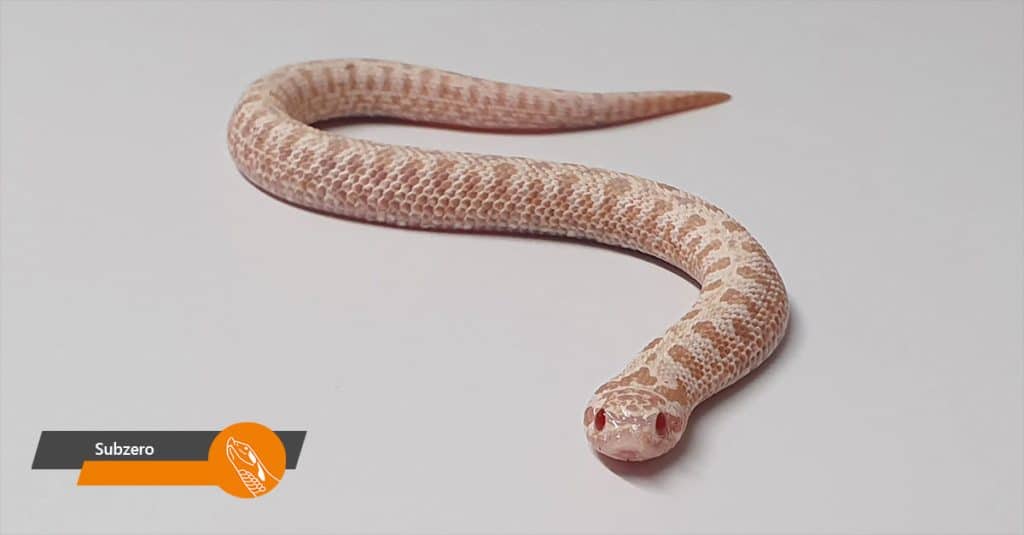
Subzero is a combination of the recessive amelanistic Albino mutation and the homozygous incomplete dominant Superarctic mutation. Due to the absence of melanin, this combination develops a pink to light purple colouration with solid red eyes. The influence of Superarctic creates strong contrast and a noticeable colour change during growth and shedding. The belly usually has a pink, partially translucent appearance. Some specimens display purple patches or stripes along the back. Compared to regular Albino combinations, the background colour often appears cooler and lighter. The intensity of colour, contrast and pattern may vary between individual specimens.

Super Daddy

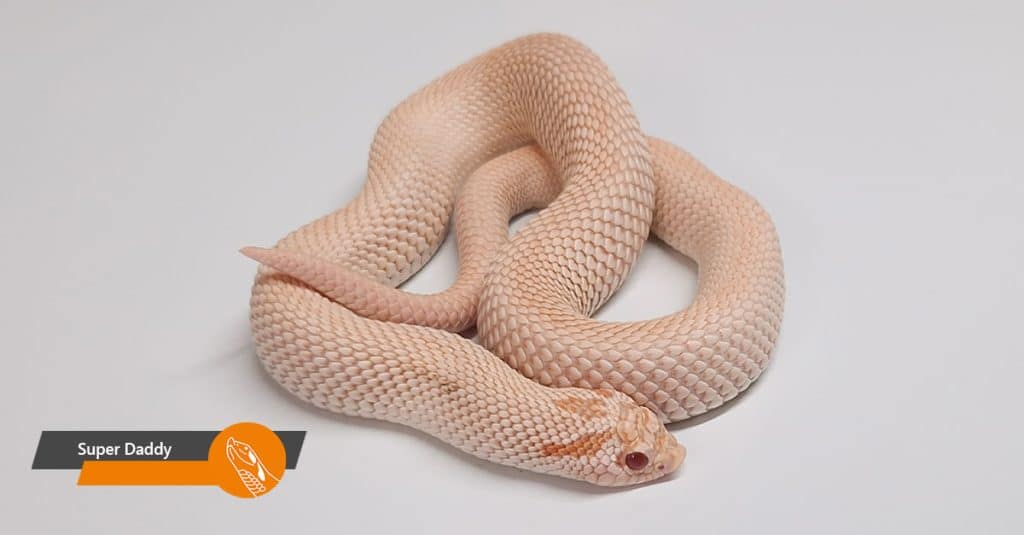
Super Daddy is a combination of the recessive amelanistic Albino mutation, the homozygous incomplete dominant Superarctic mutation and the homozygous incomplete dominant Superconda mutation. Due to the absence of melanin, this combination develops pink to light purple tones together with red eyes. The Superconda mutation causes the dorsal pattern to become mostly or completely absent. In some specimens, a pink or purple stripe remains visible along the back. The influence of Superarctic often creates strong contrast and noticeable colour changes during growth and shedding. Compared to other Albino combinations, the background colour generally appears lighter and cooler. Colour intensity and remaining pattern may vary between specimens.

Pink Pastel Albino

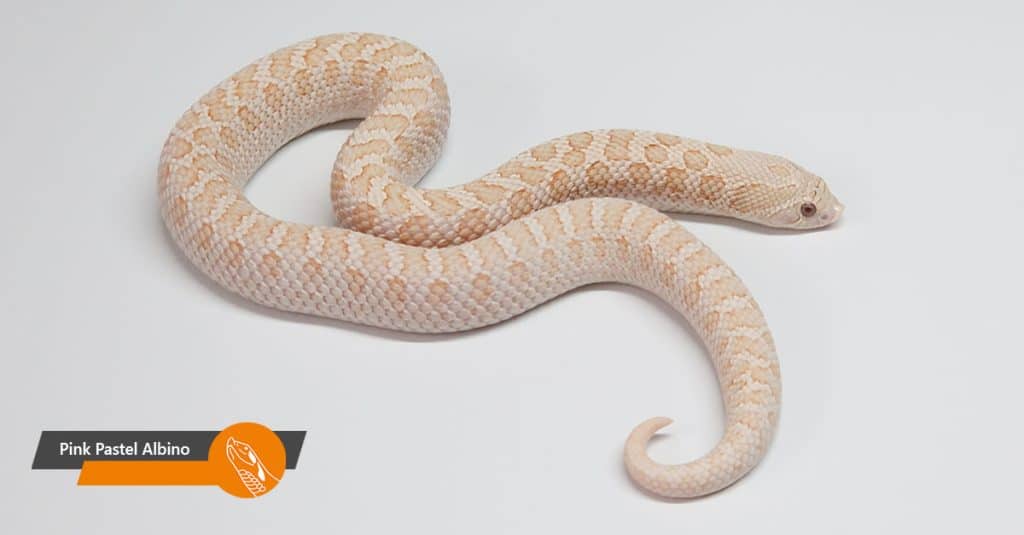
Pink Pastel Albino is a recessive mutation and a T- form of albino. Hatchlings are generally born with a reddish appearance and gradually develop a more pink colouration over time. Pink Pastel Albino is genetically different from the regular Albino mutation. The morph strongly affects pigmentation, causing dark pigments to be absent while pink tones become clearly visible. The eyes are generally red in colour. The permitted sources mention that this mutation was historically associated with several genetic defects, which have been reduced through outcrossing by breeders over time.

Electric

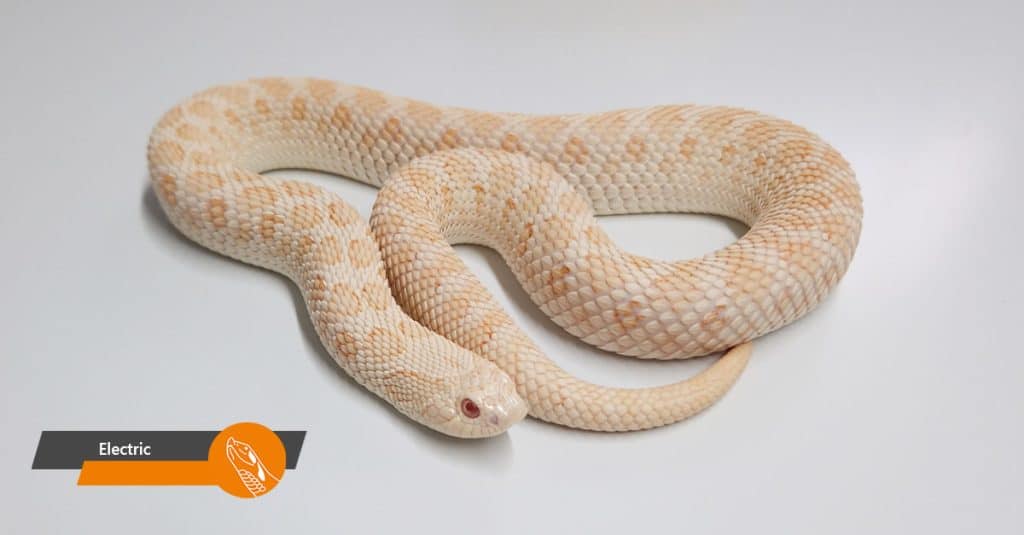
Electric is a combination of the recessive amelanistic Albino mutation and the recessive Pink Pastel Albino mutation. Due to the absence of melanin, this combination develops bright pink and orange tones together with lightly coloured red eyes. Young specimens usually hatch with very intense colours and visibly change during growth. As the animal matures, the background colour often develops into a lighter salmon tone. The saddles generally retain a striking pink colour with a clear orange influence throughout the pattern. This creates strong contrast between the background and pattern, giving the combination a distinctly pink overall appearance. Colour intensity and contrast may vary between individual specimens.

Axanthic

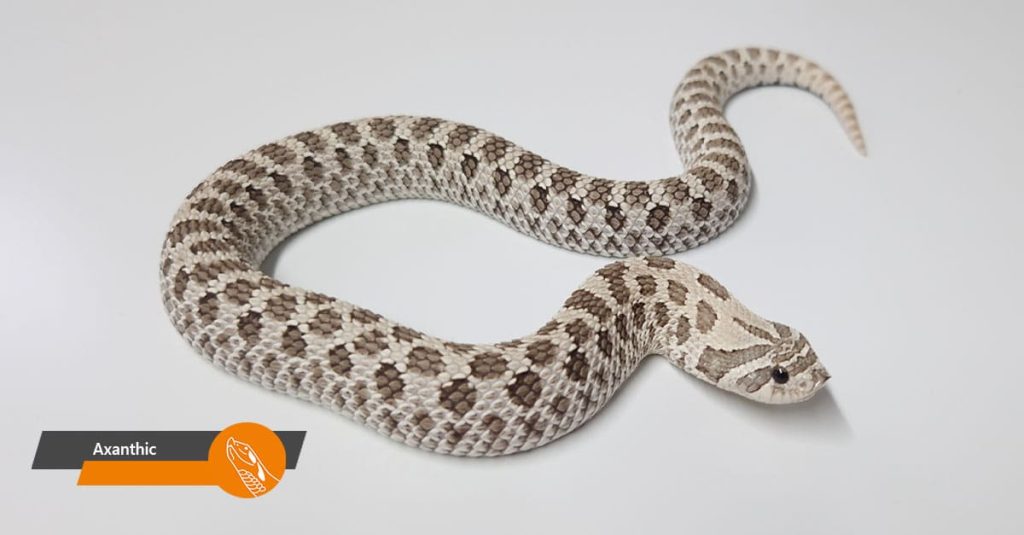
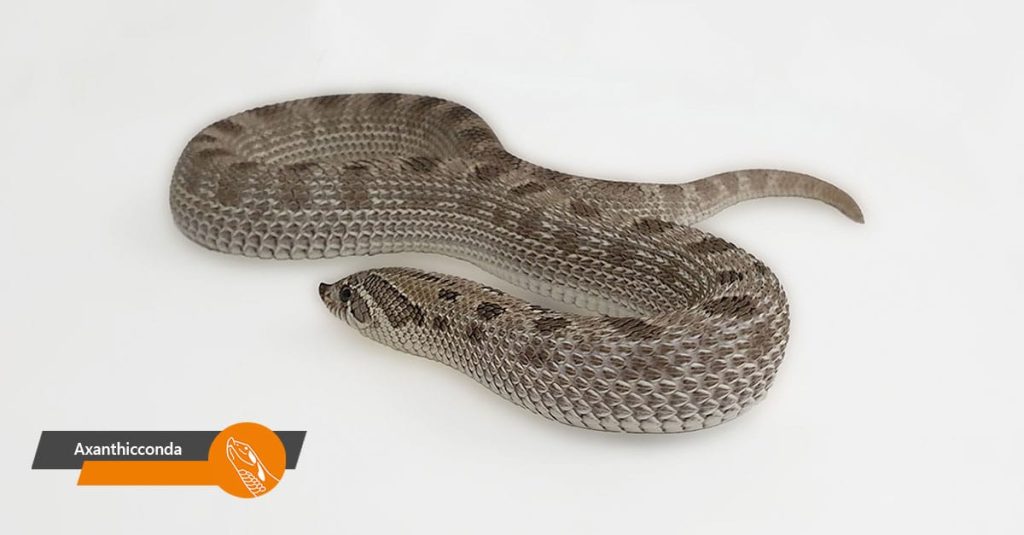
Axanthic is a recessive mutation in which red and yellow pigmentation is absent. As a result, the colouration mainly consists of white, grey and black tones. The belly also lacks yellow, red and orange pigmentation. The contrast between background and pattern remains visible but without warm colours. As the animal ages, many specimens develop a darker grey appearance. Some individuals may also display lighter brownish tones. Axanthic is commonly combined with other morphs because of its strong effect on colour expression. The morph is recognised by its cool colour palette without red or yellow pigments.

Axanthic Anaconda

Axanthic Anaconda is a combination of the recessive Axanthic mutation and the heterozygous incomplete dominant Anaconda mutation. In the Axanthic mutation, red and yellow pigmentation is absent, causing this combination to develop mainly grey, white and black tones. The Anaconda mutation reduces the amount of dorsal and lateral pattern, allowing larger areas of the background colour to remain visible. This generally creates a more open pattern compared to a regular Axanthic. The dorsal blotches are often connected or partially reduced. The markings can range from light grey to deep black depending on the specimen. Contrast, colour intensity and pattern distribution may vary between individual animals.

Silver Streak

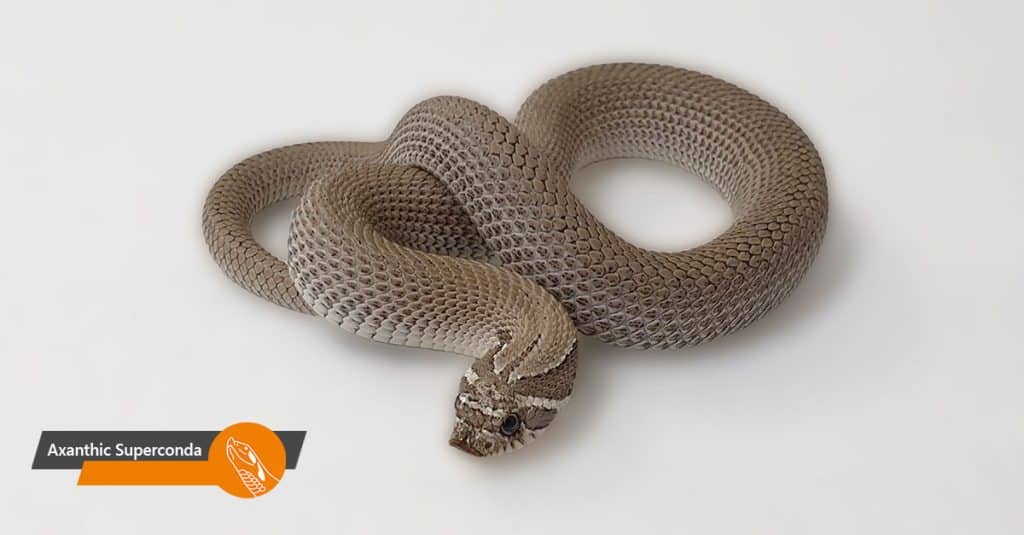
Silver Streak is a combination of the recessive Axanthic mutation and the homozygous incomplete dominant Superconda mutation. In the Axanthic mutation, red and yellow pigmentation is absent, causing this combination to develop mainly grey, white and black tones. The Superconda mutation causes the dorsal pattern to become mostly or completely absent. This results in an almost patternless back with the background colour remaining clearly visible. The head pattern generally stays present and is often the most visible marking on the animal. Compared to regular Axanthic combinations, the focus is placed more on contrast and background colour than on extensive patterning.

Yeti

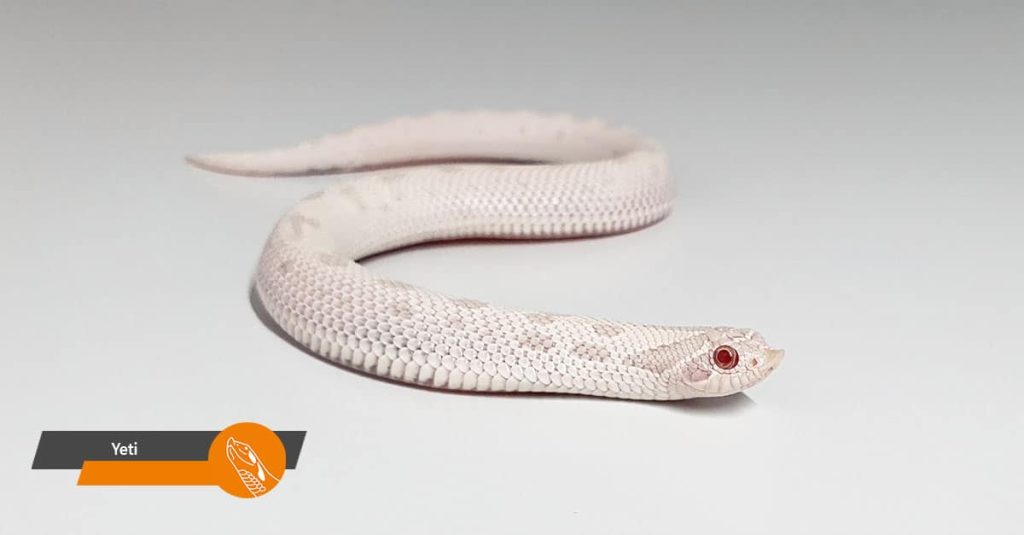
Yeti is a combination of the recessive Albino mutation, the recessive Axanthic mutation and the heterozygous incomplete dominant Anaconda mutation. Combining Albino and Axanthic creates a light white base colour with a pattern ranging from pink to grey. The influence of the Anaconda mutation creates a more open pattern compared to a standard Snow combination. Within this combination, the contrast between the lighter background colour and the remaining pattern generally remains visible. The combination is recognised for its light tones and reduced amount of pattern compared to a regular Snow.

Super Yeti

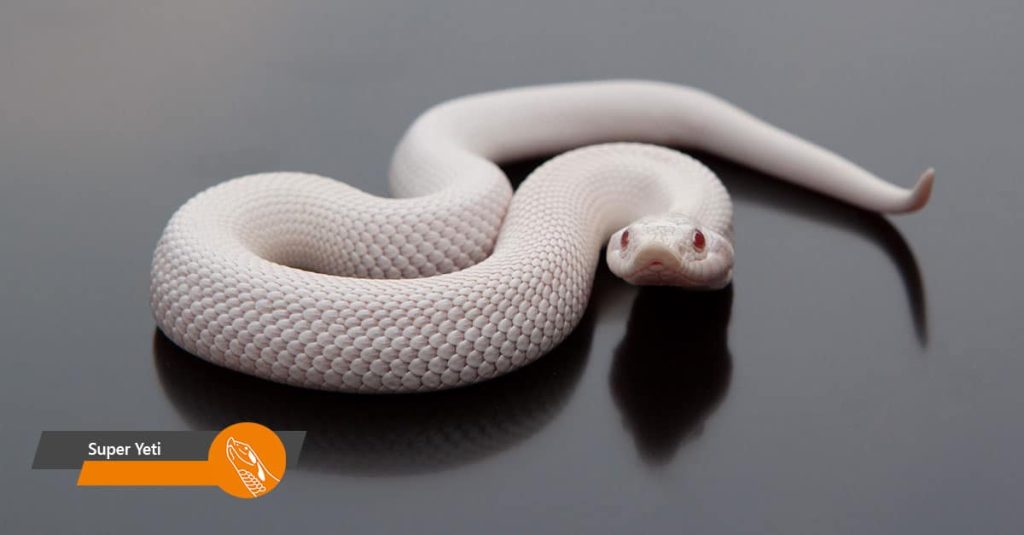
Super Yeti is a combination of the recessive Albino mutation, the recessive Axanthic mutation and the homozygous incomplete dominant Superconda mutation. Combining Albino and Axanthic creates a light white base colour with pink to grey tones within the remaining markings. The Superconda mutation causes the dorsal pattern to be completely absent, leaving mainly the head pattern visible. Within this combination, the lighter contrast between the background colour and remaining markings generally stays visible. Super Yeti is recognised for its light base colour, minimal pattern and the combination of white and pink to grey tones.

Caramel

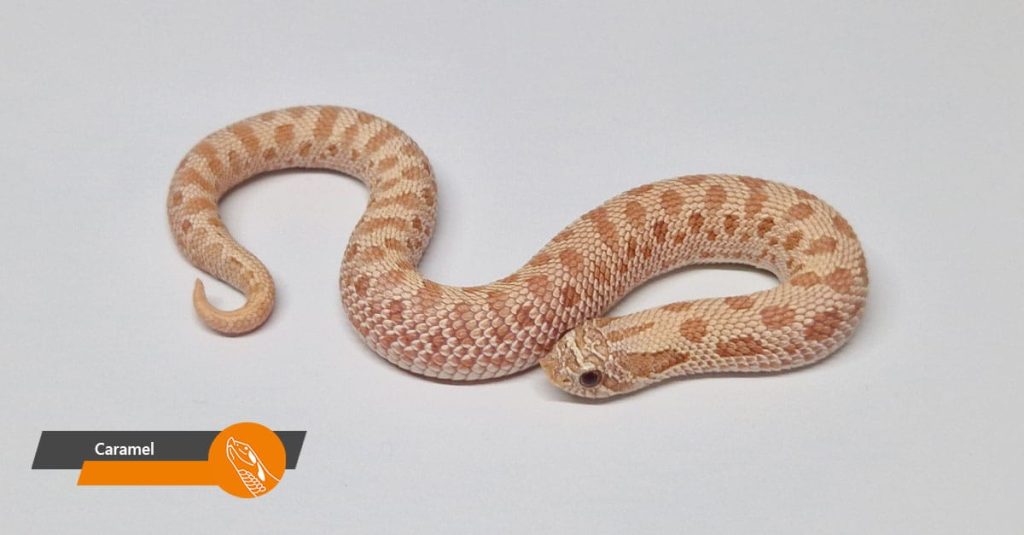
Caramel is a recessive colour mutation and a T+ form of albino. This mutation shows no black markings and is known for its warm caramel-like tones. The eyes and tongue usually have a ruby-pink colour. Juveniles often show a translucent stripe along the belly. As the animal matures, the belly pattern strongly fades, resulting in a more ivory-cream coloured belly. The head and neck markings are reduced, which is a recognisable trait of this mutation. This mutation is also used for its recognisable head pattern and the reduced pattern around the neck.

Caramel Anaconda

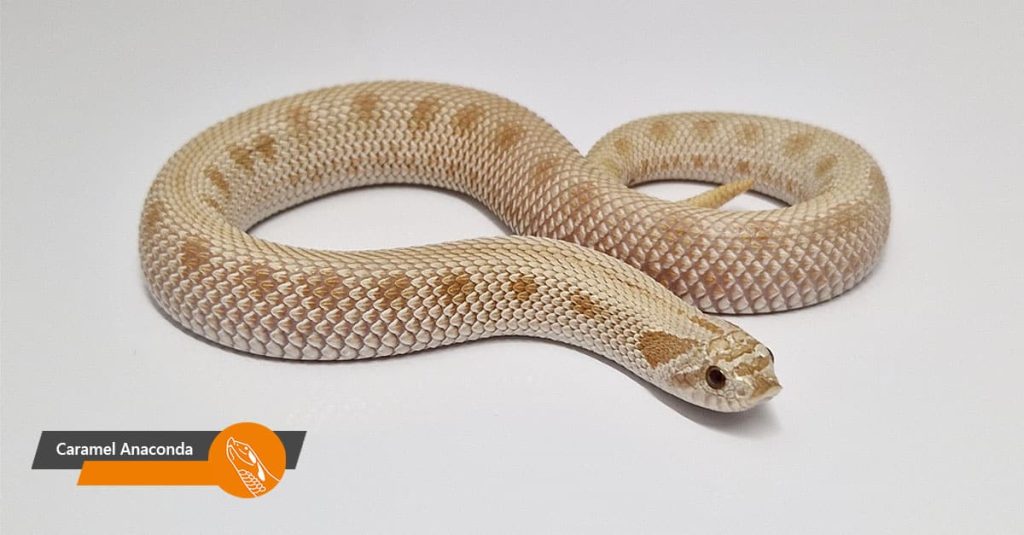
Caramel Anaconda is a combination of the recessive Caramel mutation and the heterozygous incomplete dominant Anaconda mutation. The Caramel mutation creates caramel-like tones without visible black markings. The eyes and tongue have a ruby-pink colour. A recognisable trait of Caramel is the reduced head and neck pattern, making this mutation easy to identify. The belly pattern is usually almost completely absent, with a light ivory-cream colour. The Anaconda mutation creates a more open pattern, with fewer markings along the body and more visible background colour.

Caramel Superconda

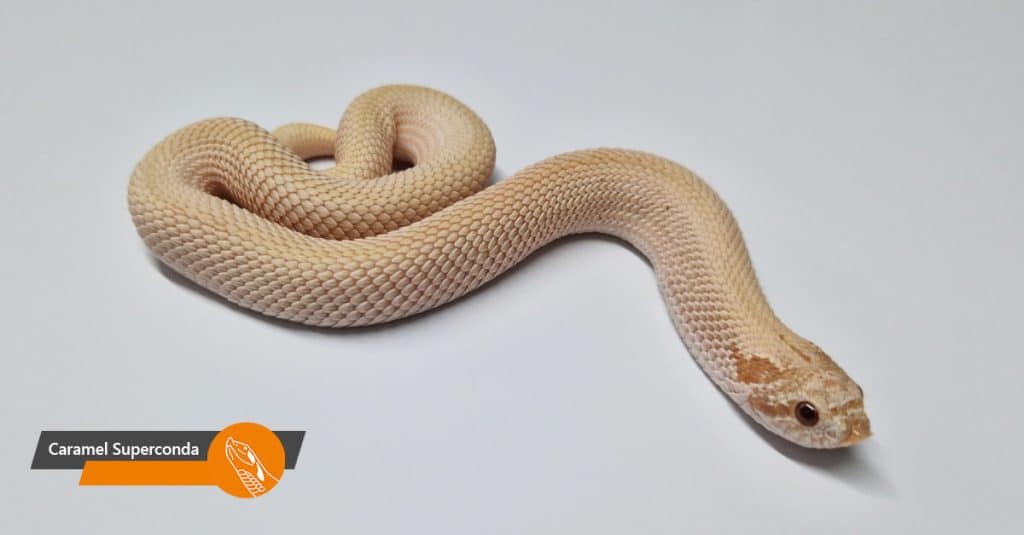
Caramel Superconda is a combination of the recessive Caramel mutation and the homozygous incomplete dominant Superconda mutation. The Caramel mutation creates warm caramel-like tones without visible black markings. The eyes and tongue have a ruby-pink colour. A recognisable trait of Caramel is the reduced head and neck pattern, making this mutation easy to identify. The belly pattern is usually almost completely absent, with a light ivory-cream colour. The Superconda mutation causes the dorsal pattern to be completely absent, leaving mainly the head pattern visible.

Cinnamon Anaconda

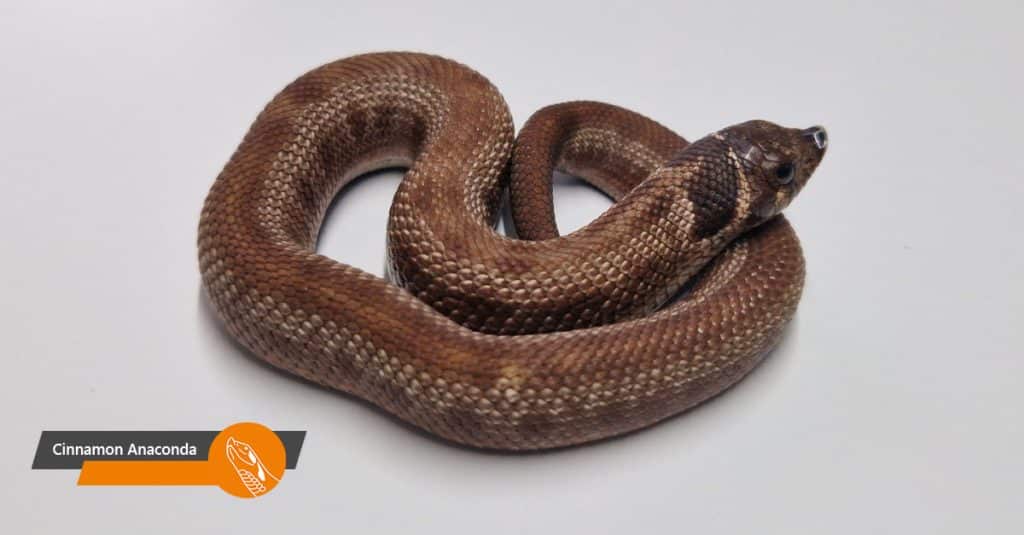
Cinnamon Anaconda is a combination of the dominant Cinnamon mutation and the heterozygous incomplete dominant Anaconda mutation. This combination is recognised for its brown colouration and the notable head pattern associated with Cinnamon. Young animals often hatch with a darker appearance and gradually develop a lighter brown colour after several sheds. The Cinnamon mutation influences pigmentation and contrast within the pattern. The Anaconda mutation creates a more open pattern with reduced markings along the body. This results in a combination with brown tones, a distinct head pattern and a broken-up body pattern.

Extreme Red Tomato Anaconda

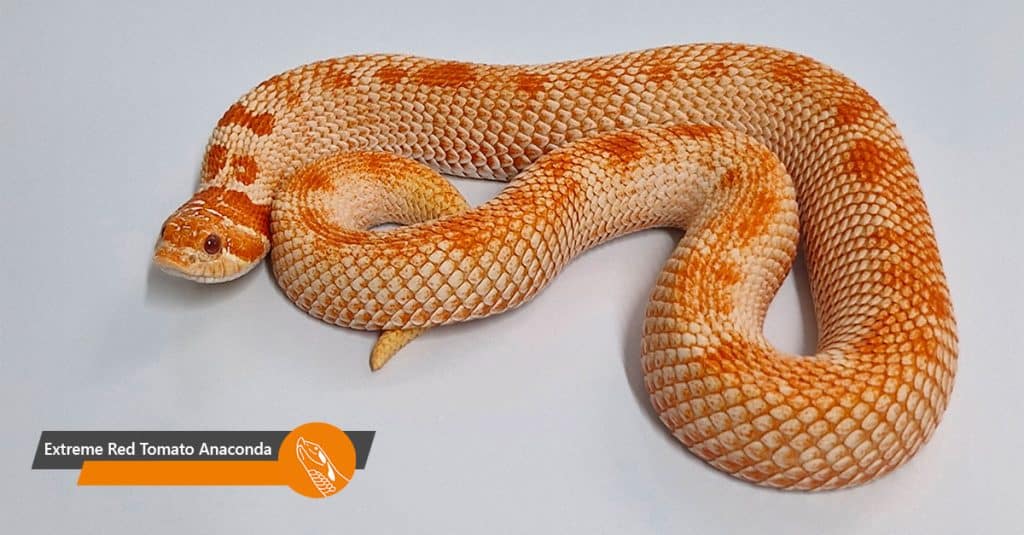
Extreme Red Tomato Anaconda is a combination of the dominant Cinnamon mutation, the recessive Albino mutation, the polygenic Extreme Red trait and the heterozygous incomplete dominant Anaconda mutation. This combination is recognised for its strong red colouration and the notable full head pattern. The Cinnamon mutation creates a white ventral stripe, while the combination of Cinnamon and Anaconda influences the faded and more open pattern along the body. Due to the influence of the Extreme Red trait, red and orange-red tones remain strongly visible throughout the overall appearance. This results in a combination with warm contrast between the background colour and remaining markings. The first animals appeared from an Extreme Red Albino x Red Albino Superconda pairing and were later confirmed as Cinnamon by Reptifit.

Evan’s Hypo

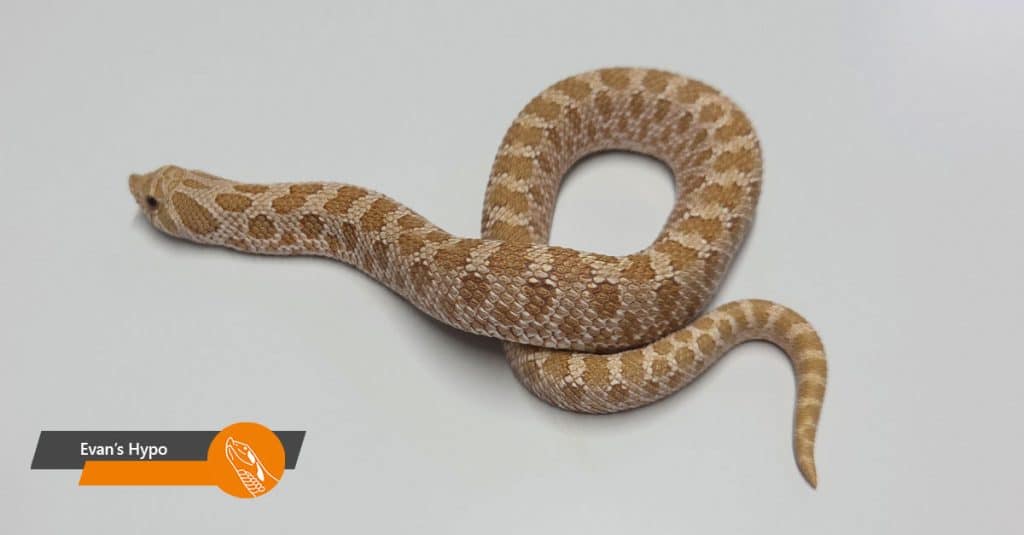
Evans Hypo is a recessive colour mutation and a T+ form of albino. Despite its name, this is not a true hypomelanistic mutation. Colour variation within this morph ranges from tan-on-tan combinations to red, white and light brown tones. The mutation affects pigmentation without causing a complete loss of pattern. The eyes generally retain a dark to ruby-like appearance depending on the individual animal. Evans Hypo is sometimes confused with Dutch Hypo, but both names refer to the same mutation. This morph is regularly used in combinations because of its broad colour variation and influence on warm colour tones.

Sable

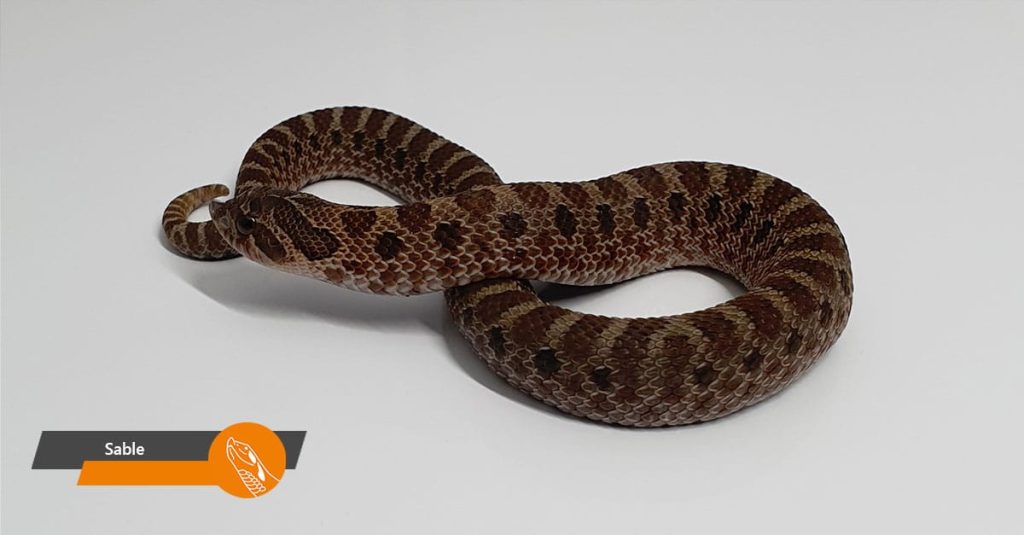
Sable is a recessive mutation that increases the production of melanin as well as other chromatophores. As the animal ages, the amount of dark pigmentation continues to increase, causing some specimens to eventually become nearly solid black. This mutation also displays an increased level of iridescence compared to other morphs. Iridophores are responsible for these reflective qualities and colour reflections within the scales. The pattern remains visible but may appear less defined because of the increasing pigmentation. Sable affects both colour intensity and the reflective properties of the scales without completely removing the visible pattern.

Black Ice

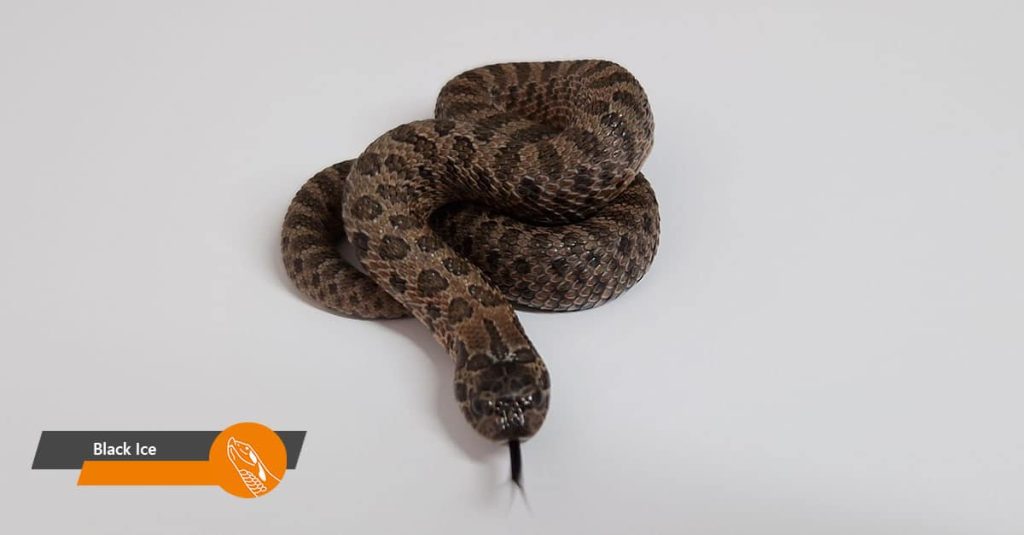
Black Ice is a combination of the recessive Sable mutation and the heterozygous incomplete dominant Arctic mutation. This combination is recognised for its brown Sable colouration with darker borders around the pattern and the visible eyebrows associated with Arctic. Younger animals often display lighter tones with reddish and greenish hues. As the animal ages, melanin concentration increases and the overall colouration becomes darker. The pattern gradually develops into dark brown to black tones over time. Due to the influence of the Arctic mutation, contrast between the background colour and pattern generally remains clearly visible throughout the overall appearance.

Blucifer

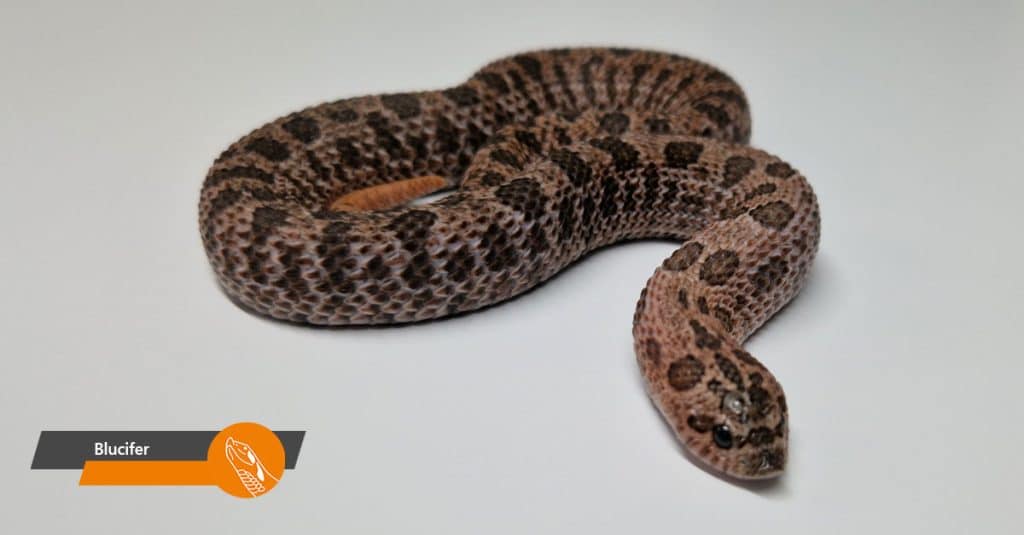
Blucifer is a combination of the recessive Sable mutation and the homozygous incomplete dominant Superarctic mutation. As hatchlings, these snakes usually display a velvet brown colouration. As the animal matures, the background gradually develops into greyer tones with a darker overall cast. With additional sheds, more purple and pink hues can become visible throughout the overall appearance. The influence of Superarctic also creates a lighter background colour and strong contrast within the remaining pattern. The combination of both mutations results in a colouration that continues to develop noticeably as the animal ages.

Big Black Conda

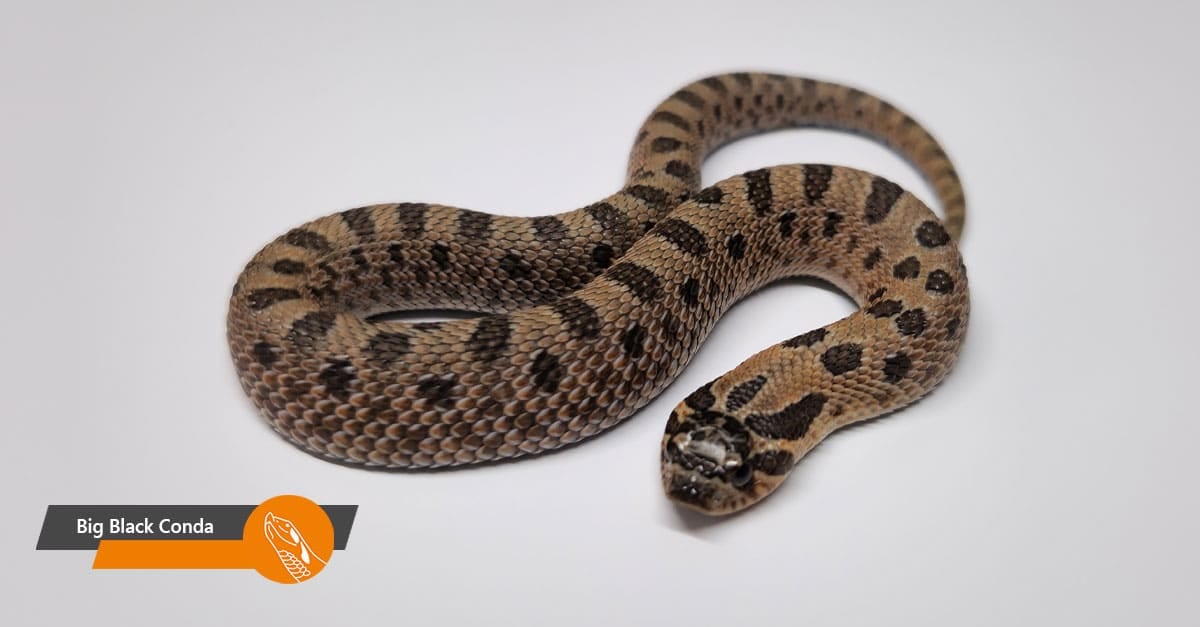
This hognose snake (Heterodon nasicus) is a combination of the Sable morph, the Arctic morph and the Anaconda morph. Sable is a recessive mutation that increases the production of melanin as well as other chromatophores. As the animal ages, the amount of dark pigmentation continues to increase, causing some specimens to eventually become nearly solid black. This mutation also displays an increased level of iridescence compared to other morphs. Iridophores are responsible for these reflective qualities and colour reflections within the scales. The pattern remains visible but may appear less defined because of the increasing pigmentation.

Sable Artic Superconda

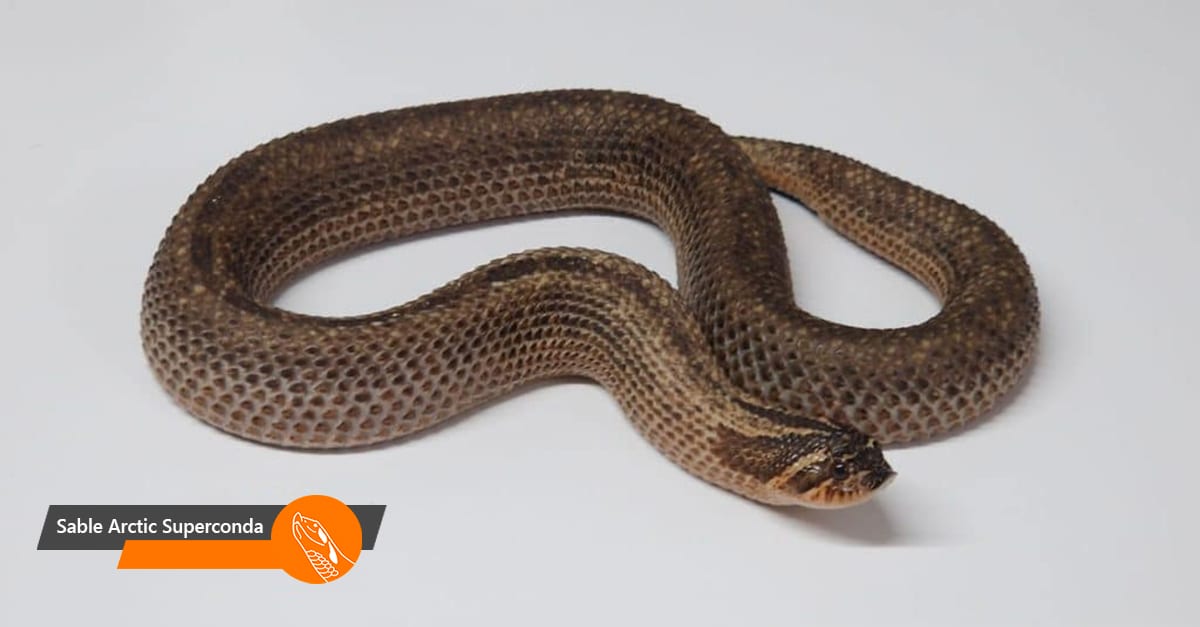
Sable Arctic Superconda is a combination of the recessive Sable mutation, the heterozygous incomplete dominant Arctic mutation and the homozygous incomplete dominant Superconda mutation. This combination displays the brown Sable colouration with lighter influences from Arctic. Younger animals often show lighter tones with reddish and greenish hues. As the animal ages, the overall colouration becomes darker and the remaining markings gradually develop into black tones. The Arctic mutation also creates visible eyebrows and additional contrast around the remaining pattern. Due to the influence of Superconda, the dorsal pattern is almost completely absent, leaving mainly the head pattern visible.

Stormcloud

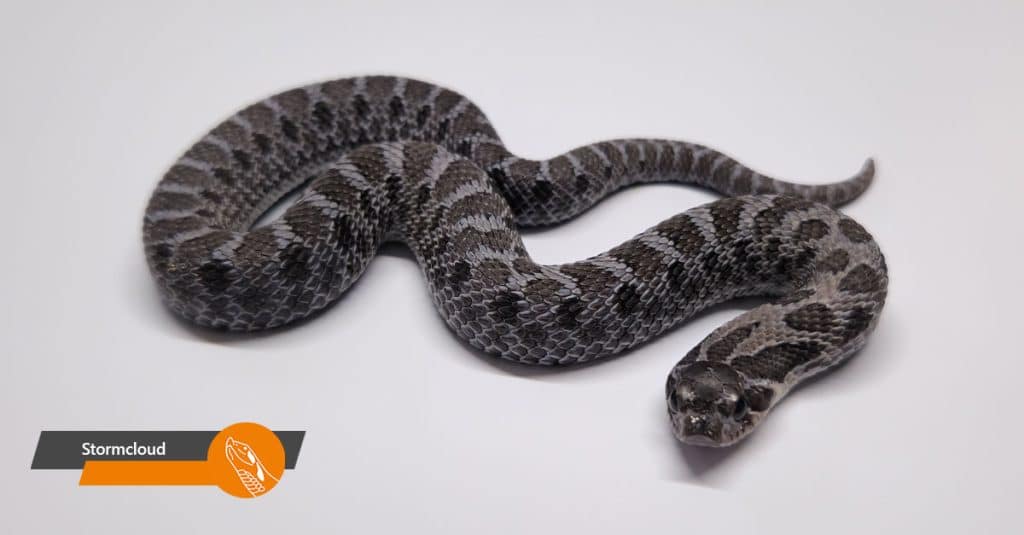
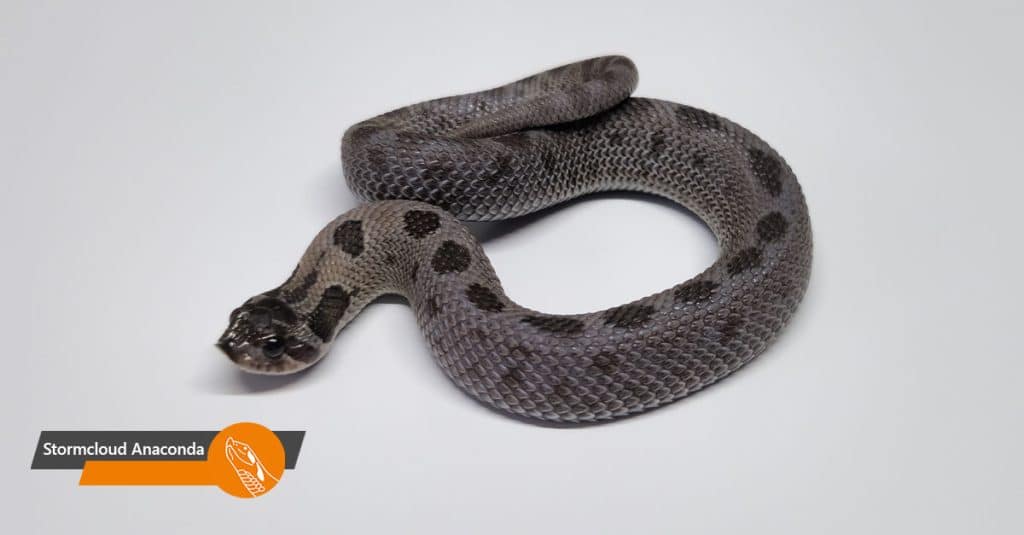
Stormcloud is a combination of the recessive sable mutation and the recessive axanthic mutation. This combination usually hatches with a blue-grey to grey base colour and dark to black saddles. As the animal ages, part of the blue tone gradually fades. The saddles often become darker brown to black over time. Combining sable and axanthic creates a morph with cool grey tones and contrasting patterning. The overall appearance changes noticeably with age, especially in the reduction of blue tones and the darkening of the dorsal pattern.

Stormcloud Anaconda

Stormcloud Anaconda is a combination of the recessive sable mutation, the recessive axanthic mutation and the heterozygous incomplete dominant anaconda mutation. This combination usually hatches with a blue-grey to grey base colour and dark to black saddles. As the animal ages, part of the blue tone gradually fades. The saddles often become darker brown to black over time. The anaconda mutation reduces part of the dorsal pattern, creating a more open appearance compared to a regular Stormcloud. The belly is generally solid black throughout the entire underside.

Solar Storm

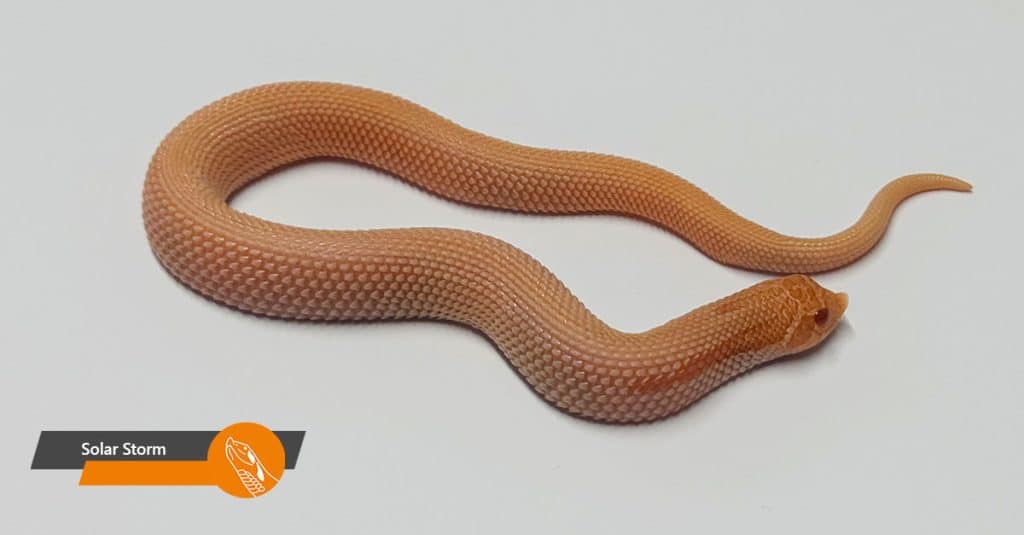
Solar Storm is a combination of the recessive sable mutation, the recessive albino mutation and the homozygous incomplete dominant superconda mutation. This combination usually displays an intense red to orange colour with very limited visible dorsal patterning. The albino mutation causes the absence of melanin, while the sable mutation influences colour intensity. The superconda mutation removes nearly all dorsal patterning, creating an almost patternless appearance while retaining the characteristic head pattern. Combining these mutations results in a brightly coloured morph with warm red and orange tones and reduced visible patterning.

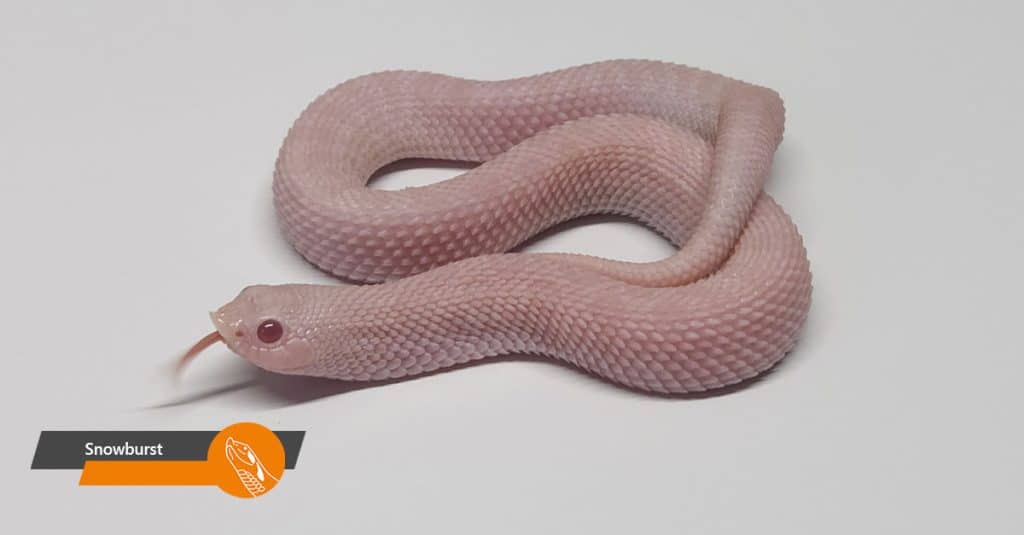
Snowburst

Snowburst is a combination of the recessive sable mutation, the recessive albino mutation and the recessive axanthic mutation. This combination displays a translucent pink colour with a very limited visible pattern. The albino mutation causes a lack of melanin, resulting in a light base colour, while the axanthic mutation removes red and yellow pigmentation. The sable mutation additionally increases the presence of iridophores, giving the scales a more reflective appearance. Together these traits create soft colour transitions with subtle contrast between the background and remaining markings. The pattern generally remains faint across the body and only lightly visible.

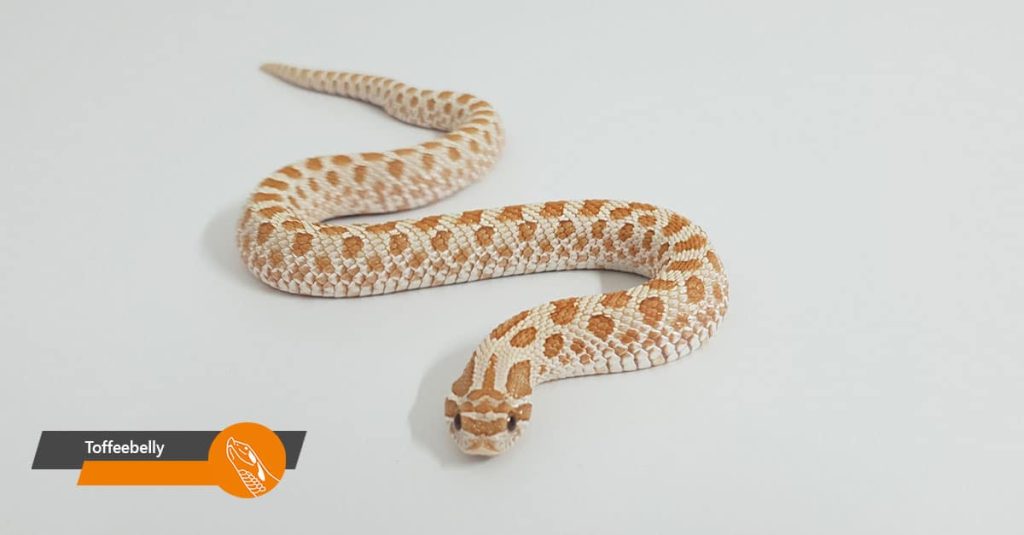
Toffeebelly

Toffeebelly is a recessive mutation with a lack of melanin and is a T+ Albino form, except for some rare paradox spots. The name of this mutation refers to the toffee-coloured belly. Toffeebellys generally display a light gold-brown colour distribution. Multiple colour variations can occur within a single clutch. These colours range from green and red tones to orange and yellow shades. The pattern remains visible throughout the body. This mutation displays different colour expressions between individual animals within the same line and shows a broad range of warm colour tones.

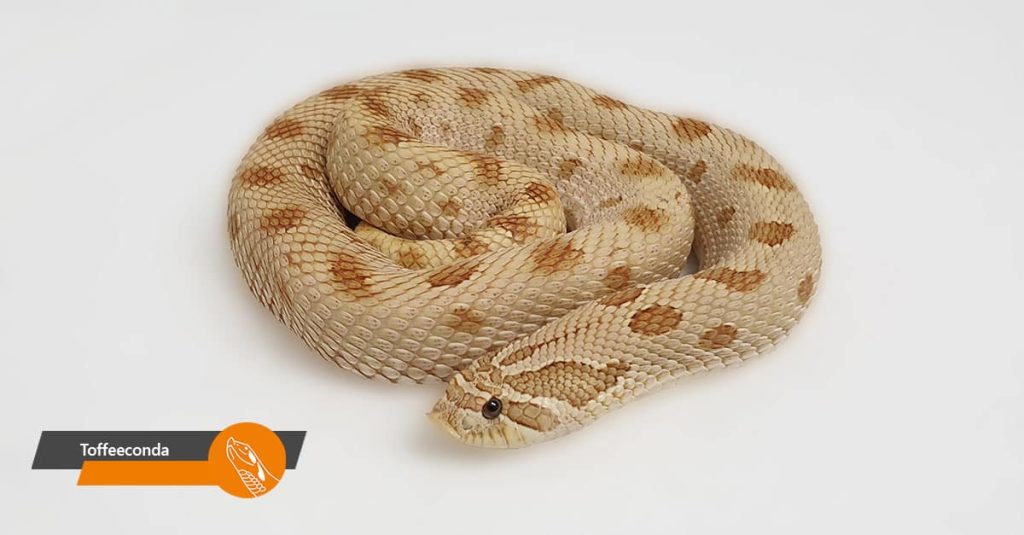
Toffeeconda

Toffeeconda is a combination of the recessive Toffeebelly mutation and the heterozygous incomplete dominant Anaconda mutation. The Toffeebelly mutation produces a light gold-brown to brown colour with variations in shades such as yellow, orange, red or green. The Anaconda mutation reduces the pattern on the back and sides, leaving larger open areas visible. The belly is generally uniform in colour. Combining these mutations results in a snake with reduced patterning and contrasting colour distribution. The amount of pattern reduction and colour intensity can vary between individual animals within the same combination.

Candy

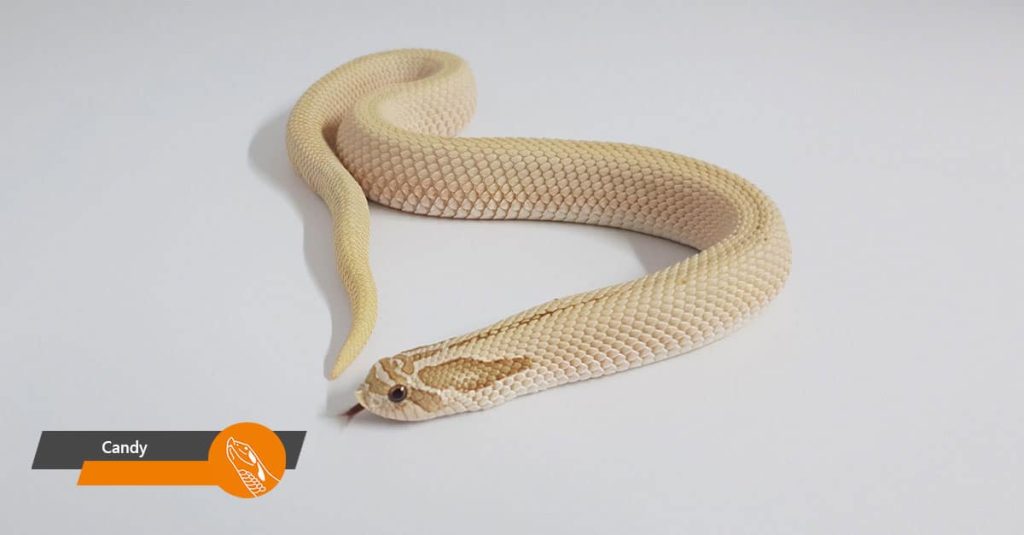
Candy is a combination of the recessive Toffeebelly mutation and the homozygous incomplete dominant Superconda mutation. The Toffeebelly mutation produces a light golden-brown to yellow-brown colouration with variations that can include green, red, orange and yellow tones. The Superconda mutation removes the dorsal pattern almost completely, resulting in a generally uniform appearance along the back. The belly is typically solid in colour. Combining these mutations creates a snake with a light overall appearance and minimal visible patterning. Individual specimens can vary in colour intensity, contrast and the amount of remaining visible markings.

Toffee Arctic Anaconda

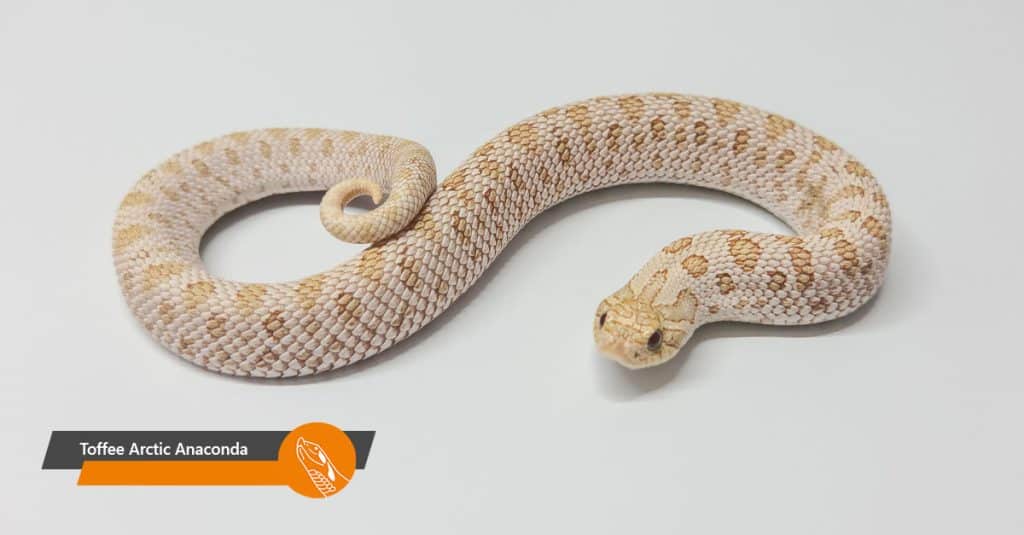
Toffee Arctic Anaconda is a combination of the recessive toffeebelly mutation, the heterozygous incomplete dominant arctic mutation and the heterozygous incomplete dominant anaconda mutation. This combination retains the characteristic toffeebelly colouration, but usually displays it in a more intense form. The arctic mutation creates white rings around the saddles, visible eyebrow markings and darker borders at the rear of the saddles. The anaconda mutation reduces the dorsal pattern, resulting in a more open appearance. The belly is generally solid in colour. This combination can display different shades of gold, yellow, orange and light green tones.

Toffee Arctic Superconda

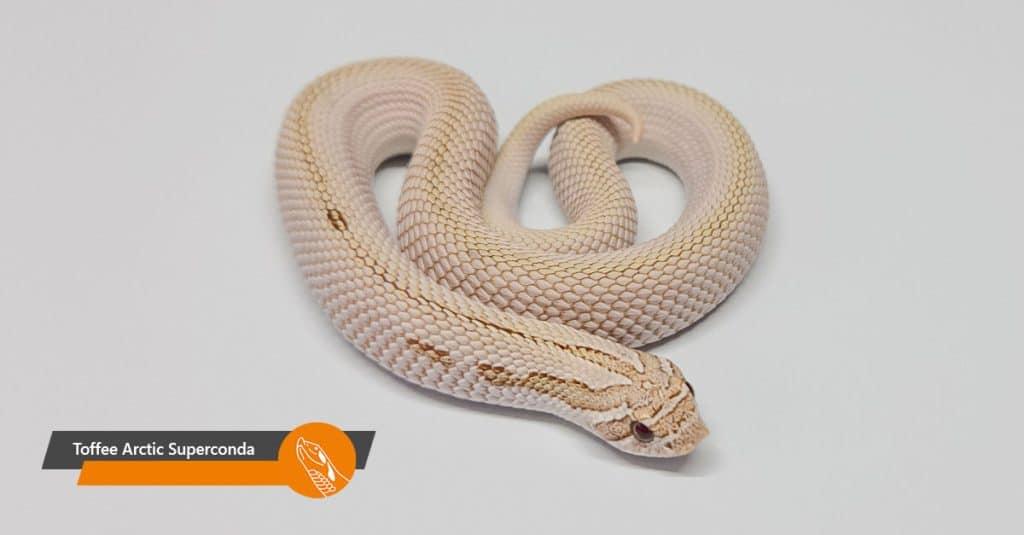
Toffee Arctic Superconda is a combination of the recessive toffeebelly mutation, the heterozygous incomplete dominant arctic mutation and the homozygous incomplete dominant superconda mutation. This combination is recognised by its strongly reduced dorsal pattern and light overall colouration. The arctic mutation creates white highlights around the head pattern and can contribute to a stronger contrast between the pattern and background colour. The influence of the toffeebelly mutation is visible in the warm gold, yellow and orange tones. The belly is generally solid in colour. Some specimens may still display limited residual markings along the back or head.

Pink Punch

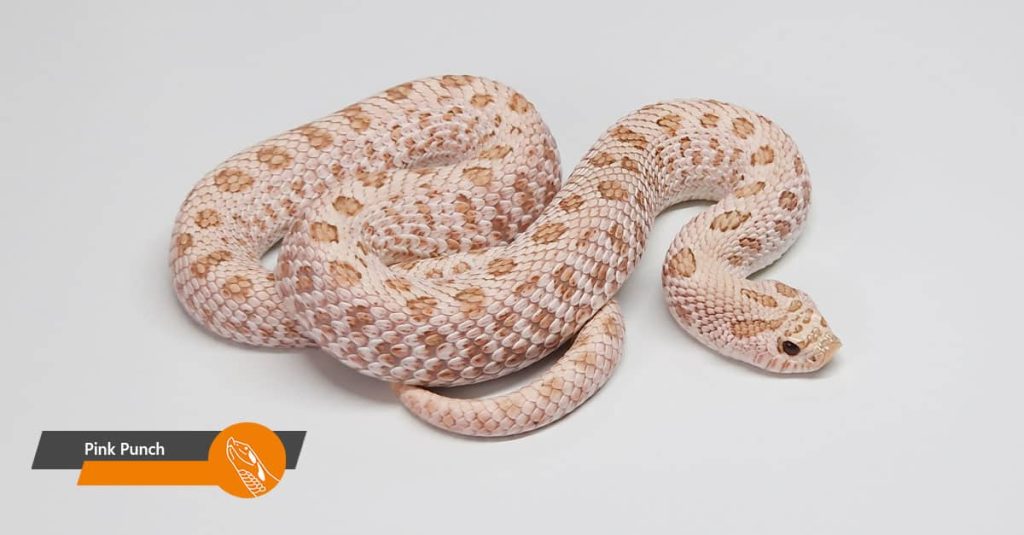
Pink Punch is a combination of the recessive toffeebelly mutation and the homozygous incomplete dominant superarctic mutation. This combination is known for its brown to purplish tones and solid dark red eyes. Hatchlings are generally darker when they emerge and gradually become lighter in colour after successive sheds. The superarctic mutation influences both the background colour and the pattern, creating noticeable contrast between different colour areas. The influence of the toffeebelly mutation remains visible through warm golden brown, pinkish and purple hues.

Thallium

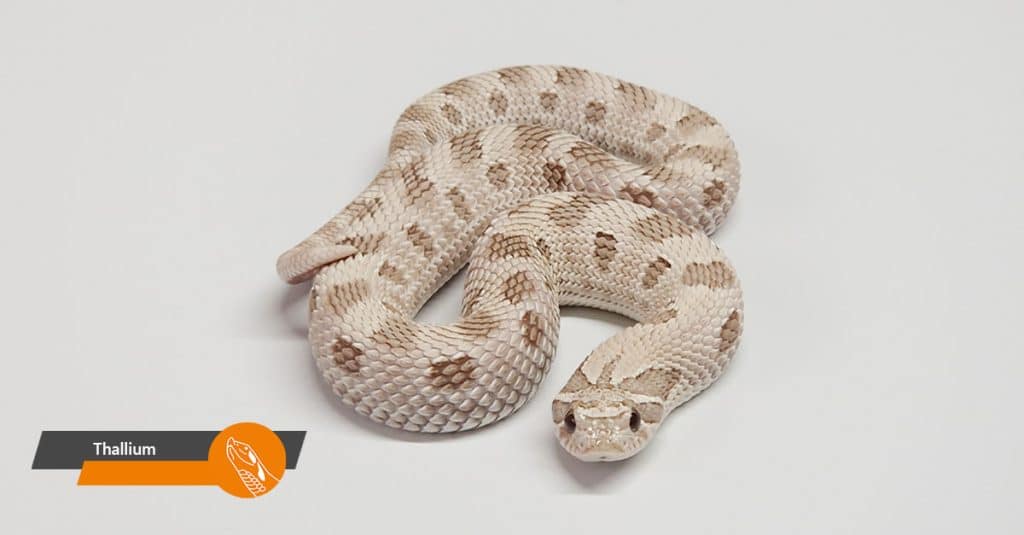
Thallium is a combination of the recessive axanthic mutation, the recessive toffeebelly mutation and the heterozygous incomplete dominant anaconda mutation. This combination shows a silver-grey to cream-like colour. The axanthic mutation influences the colour toward grey, while the toffeebelly mutation contributes to the lighter, warmer undertone. The anaconda mutation reduces parts of the back pattern, resulting in fewer saddle markings than in a standard pattern. The result is a combination with muted colour tones and a more limited back pattern.

Toxic Superconda

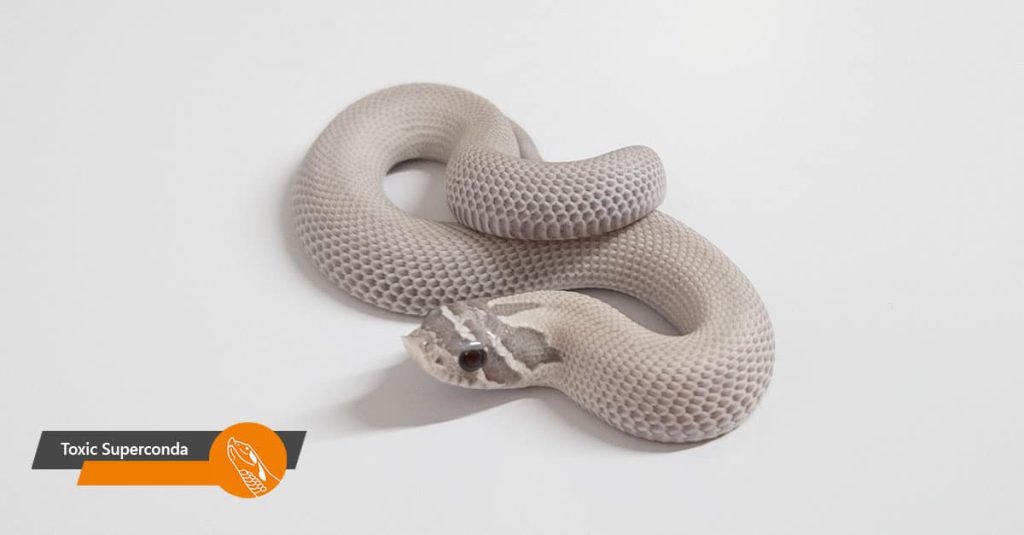
Toxic Superconda is a combination of the recessive axanthic mutation, the recessive toffeebelly mutation and the homozygous incomplete dominant superconda mutation. This combination has a silver-grey to cream-like colour. The axanthic and toffeebelly mutations together define the light, muted colouration. The superconda mutation removes the dorsal pattern, leaving the back without dorsal markings. This description is limited to the traits stated in the source: the genetic composition, the silver-grey to cream-like colour and the absence of the dorsal pattern.

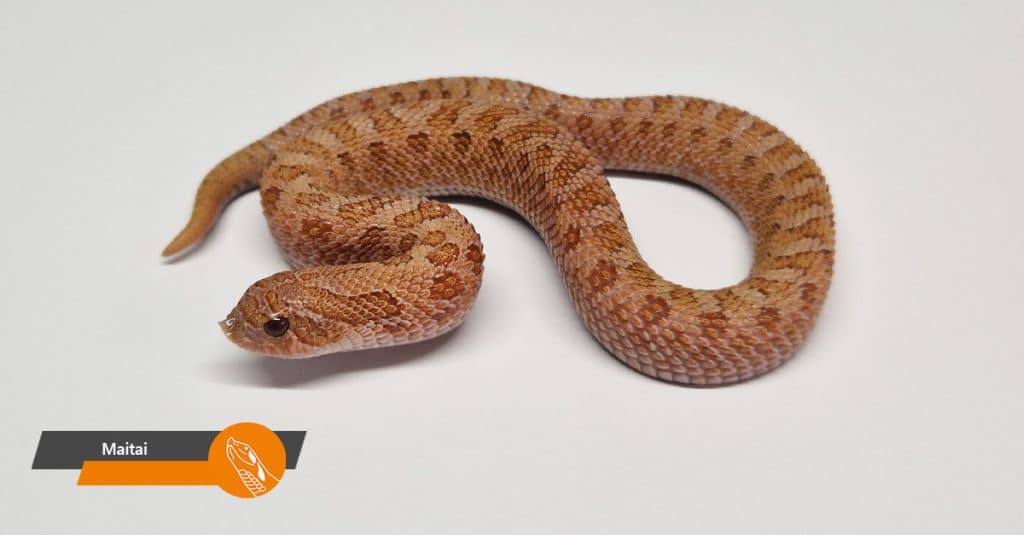
Maitai

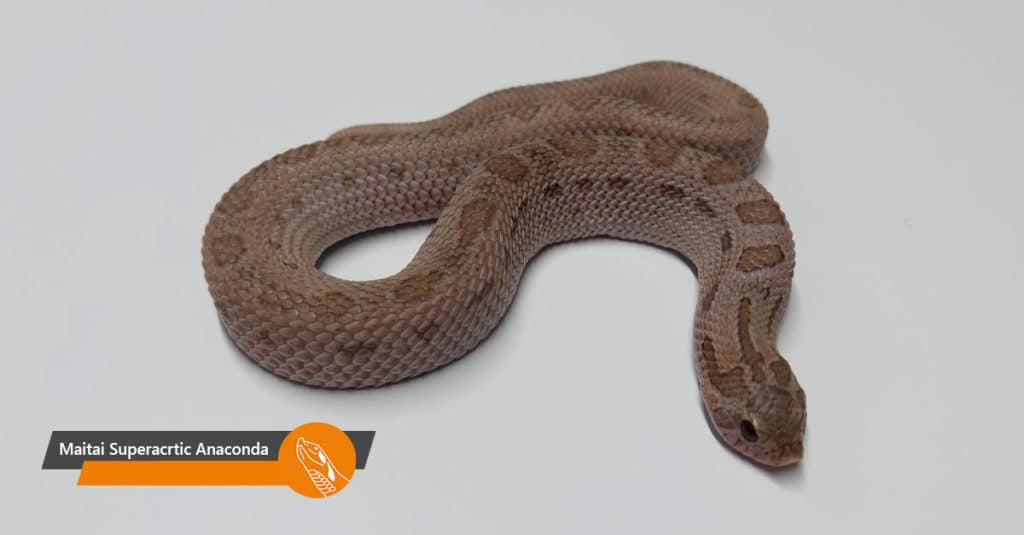
Maitai is a combination of the recessive sable mutation and the recessive toffeebelly mutation. This combination generally displays an orange to brown colouration, with older specimens often developing a darker and browner appearance over time. Various specimens also show visible green hues within the background colour and parts of the pattern. The sable mutation contributes to an increased presence of darker pigmentation, while the toffeebelly mutation adds lighter and warmer tones. Within this combination, the intensity of the colours and the visibility of green hues can vary between individual specimens.

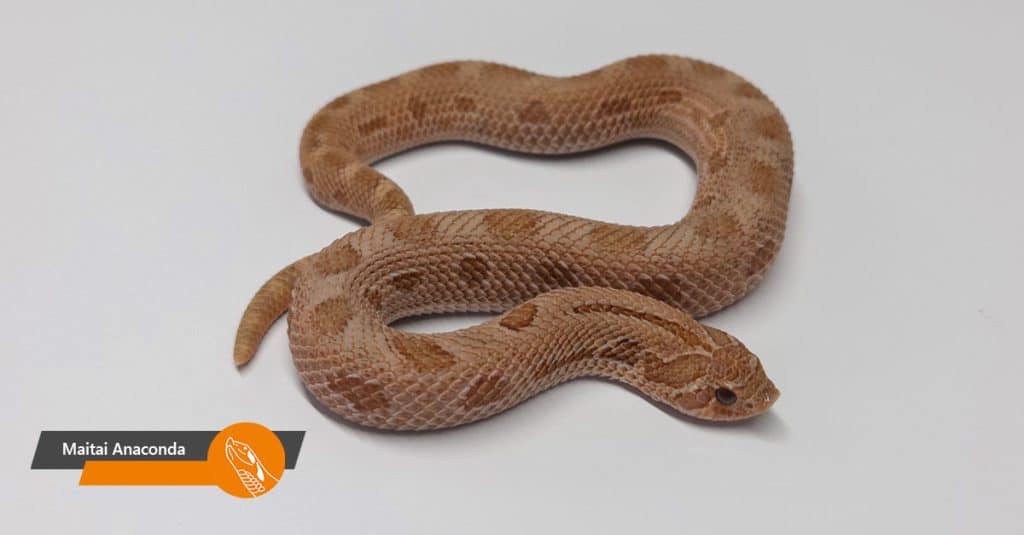
Maitai Anaconda

Maitai Anaconda is a combination of the recessive sable mutation, the recessive toffeebelly mutation and the heterozygous incomplete dominant anaconda mutation. This combination generally displays an orange to brown colouration, with older specimens often becoming darker and browner over time. Various specimens also show visible green hues within the background colour and parts of the pattern. The anaconda mutation removes part of the dorsal pattern, allowing more of the background colour to remain visible. The sable mutation increases darker pigmentation, while the toffeebelly mutation contributes warmer tones. Colour intensity and visible hues may vary between individual specimens.

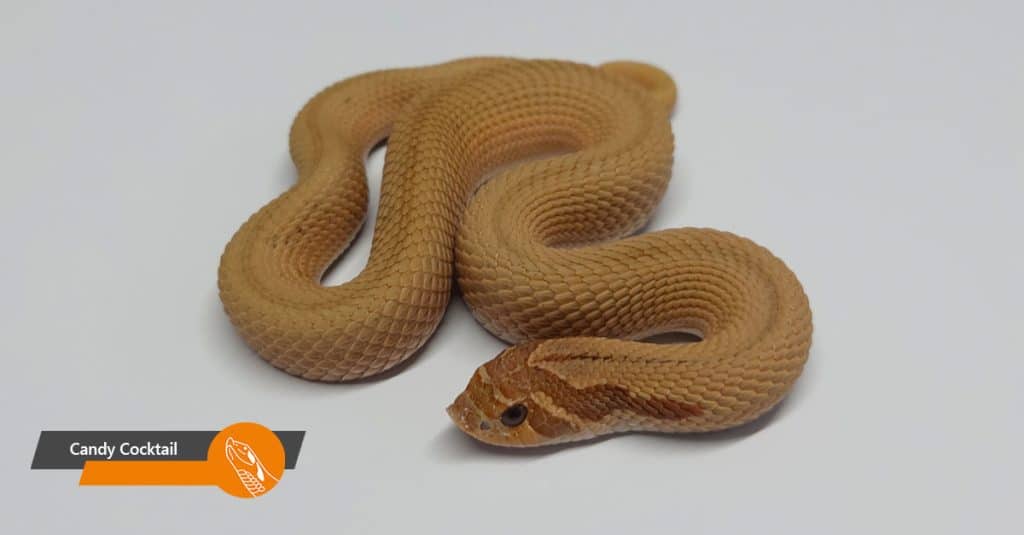
Candy Cocktail

Candy Cocktail is a combination of the recessive sable mutation, the recessive toffeebelly mutation and the homozygous incomplete dominant superconda mutation. This combination generally displays an orange to brown colouration, with older specimens often becoming darker and browner over time. Various specimens also show visible green hues throughout the background colour and parts of the body. The superconda mutation removes the dorsal pattern, allowing the background colour to remain more visible. The sable mutation increases darker pigmentation, while the toffeebelly mutation contributes warmer tones. Colour intensity and visible hues may vary between individual specimens within this combination.

Maitai Superarctic

Maitai Superarctic is a combination of the recessive sable mutation, the recessive toffeebelly mutation and the homozygous incomplete dominant superarctic mutation. This combination generally hatches with a dark purple colour and becomes lighter as it ages. The eyes display a fully solid colour. The superarctic mutation influences both pattern and colour, creating a lighter background during further development. The sable mutation increases darker pigmentation, while the toffeebelly mutation contributes warmer tones to the overall appearance. The intensity of colour and contrast may vary between individual specimens within this combination over time.

Maitai Superarctic Anaconda

Maitai Superarctic Anaconda is a combination of the recessive sable mutation, the recessive toffeebelly mutation, the homozygous incomplete dominant superarctic mutation and the heterozygous incomplete dominant anaconda mutation. This combination generally hatches with a dark purple colour and becomes lighter as it ages. The eyes display a fully solid colour without visible patterning. The anaconda mutation removes part of the dorsal pattern, allowing more of the background colour to remain visible. The sable mutation increases darker pigmentation, while the toffeebelly mutation contributes warmer tones. The intensity of colour and contrast may vary between individual specimens within this combination.

Lavender

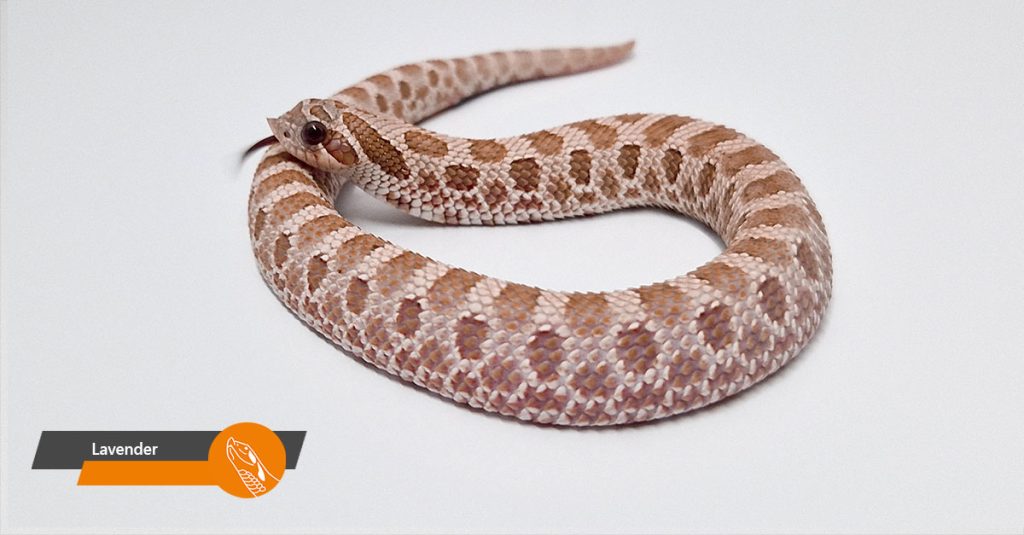
Lavender is a recessive colour mutation and a T+ form of albino. Hatchlings are generally born with an almost red appearance and a darker belly. After several sheds, the colour gradually changes towards pink and lavender tones. The eyes are typically dark ruby in colour. This mutation affects pigmentation without completely removing the pattern. In some animals, the colour may temporarily darken. This is associated with an increased movement of melanin towards the melanophores during stress responses. The morph displays pink to lavender pigmentation throughout the body and visible pattern markings.

Lavender Anaconda

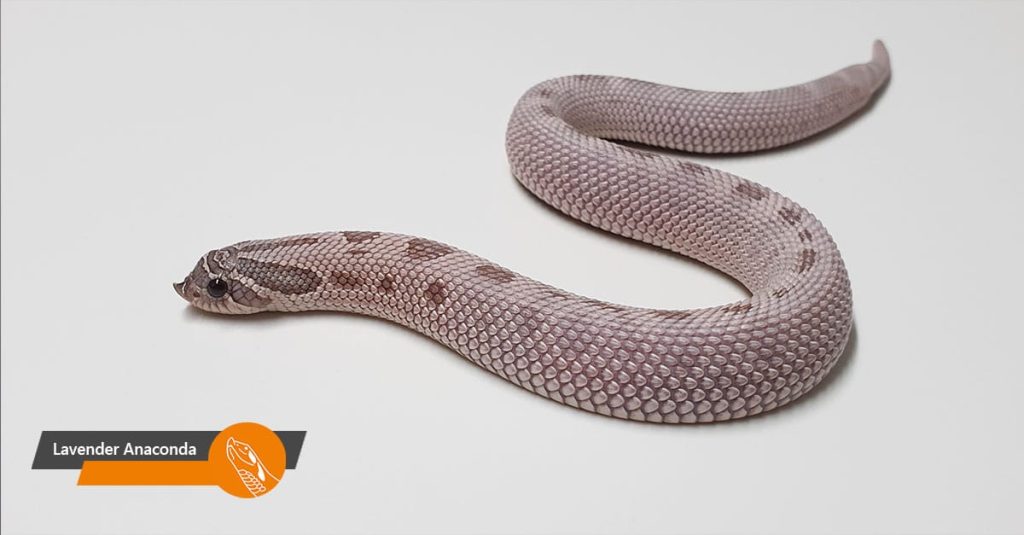
Lavender Anaconda is a combination of the recessive lavender mutation and the heterozygous incomplete dominant anaconda mutation. This combination generally displays a lavender to purple colouration with a lighter and reduced pattern. The anaconda mutation removes part of the dorsal pattern, allowing more of the background colour to remain visible and reducing the contrast between pattern and background. Various specimens can range from lighter purple tones to more greyish lavender shades. The lavender mutation mainly influences colour development, while the anaconda mutation is responsible for the pattern reduction. Visible colour intensity may vary between individual specimens within this combination.

Coral

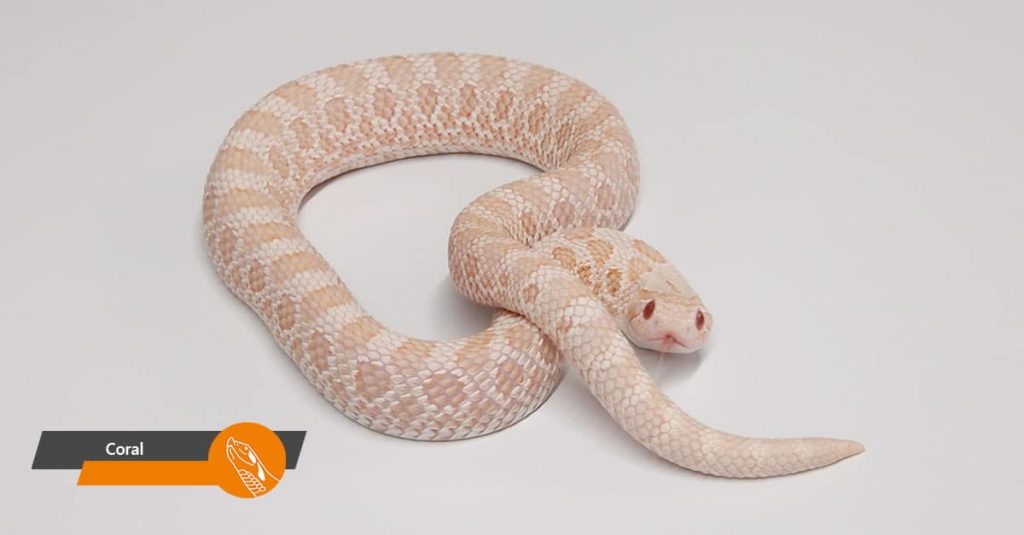
Coral is a combination of the recessive albino mutation and the recessive lavender mutation. This combination generally displays a pink colouration with red eyes. The saddles can range from light orange to pinkish tones depending on the individual specimen and colour development. The albino mutation is a recessive amelanistic mutation in which melanin is absent, while the lavender mutation influences the final colour development within the combination. The interaction between both mutations creates a soft transition between background and pattern. The intensity of colour and contrast may vary between individual specimens within this combination over time.

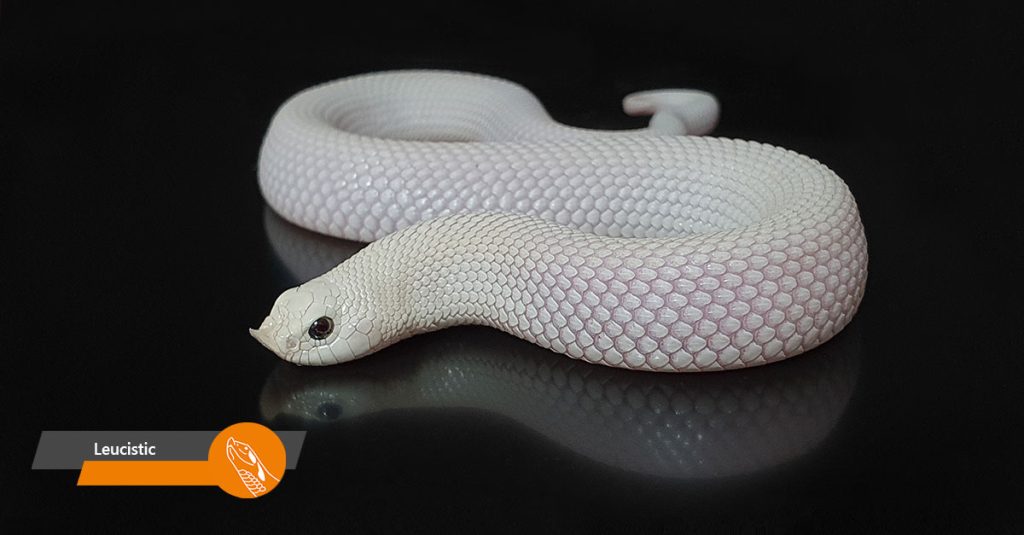
Leucistic

Leucistic is a recessive mutation in which pigmentation in the body is absent, except in the eyes. As a result, this morph has a white body colour without a visible dorsal pattern. The eyes are generally black or blue in colour. In combinations with other morphs, usually only the eye colour changes while the scale colour remains white. In some animals, paradoxing may cause one or more dark spots to appear. The mutation fully affects body colouration, causing the scales to remain uniformly white without visible colour or pattern characteristics.

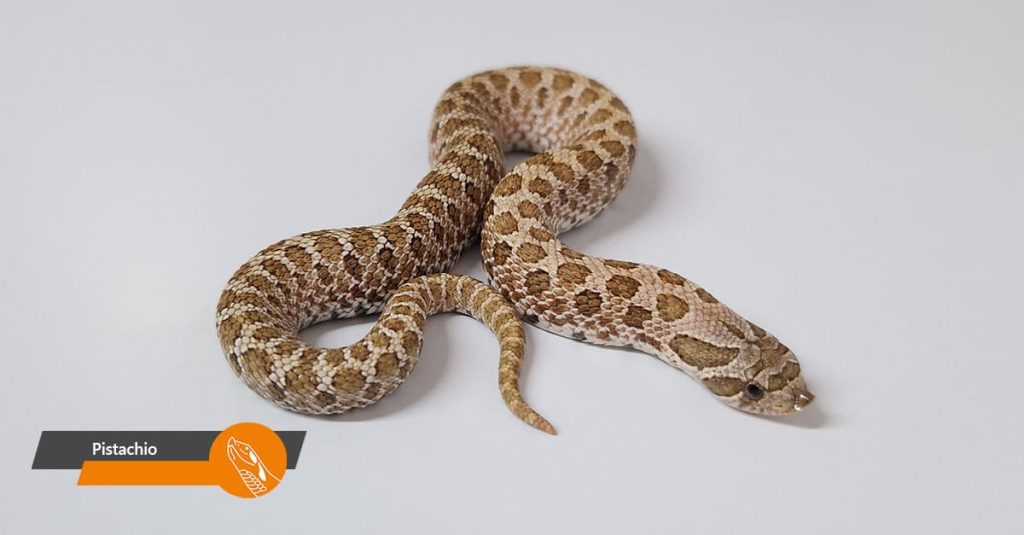
Pistachio

Pistachio is a recessive mutation with a muted brown to olive-like colour distribution. The markings generally display less contrast than in a Normal morph. Dorsal blotches are often less sharply defined, creating softer transitions between the pattern and background colour. The belly pattern is usually lighter in colour. Hatchlings may initially show more contrast before the colours gradually soften over time. This mutation affects both colour intensity and pattern visibility. The combination of olive-like tones and reduced contrast gives this morph a recognisable overall colour distribution.

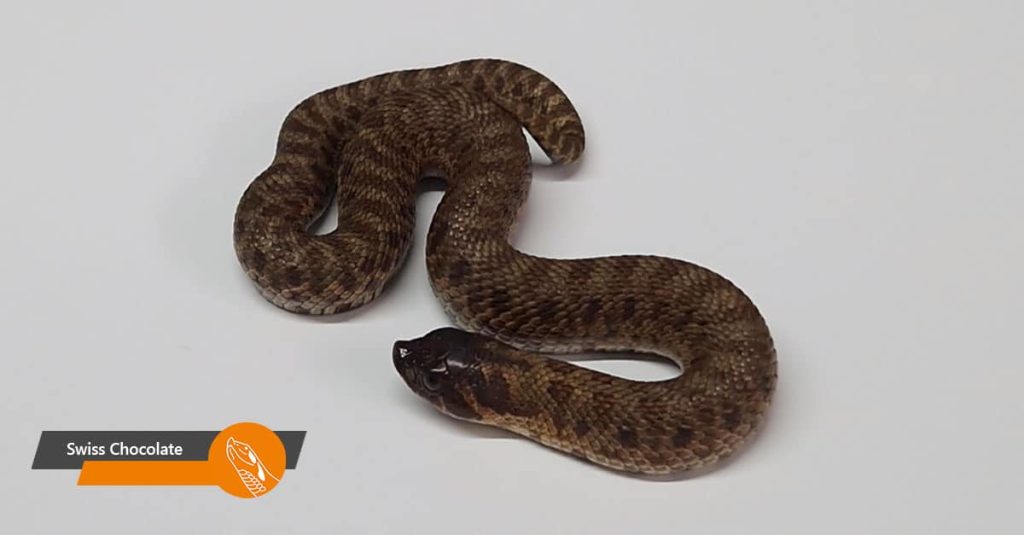
Swiss Chocolate

Swiss Chocolate is a recessive mutation that increases melanin production. This mutation displays a higher concentration of melanin on the head than on the rest of the body, resulting in a darker head colouration. Hatchlings are generally born dark and maintain this darker appearance throughout their development. Swiss Chocolate displays more colour tones within the yellow spectrum and has a background colour with a finer and more irregular colour distribution compared to Sable. In many males, the body colouration is lighter than in females. The pattern remains visible throughout the body and retains clear markings.